March 06 to 10, 2027
$4,450 CAD
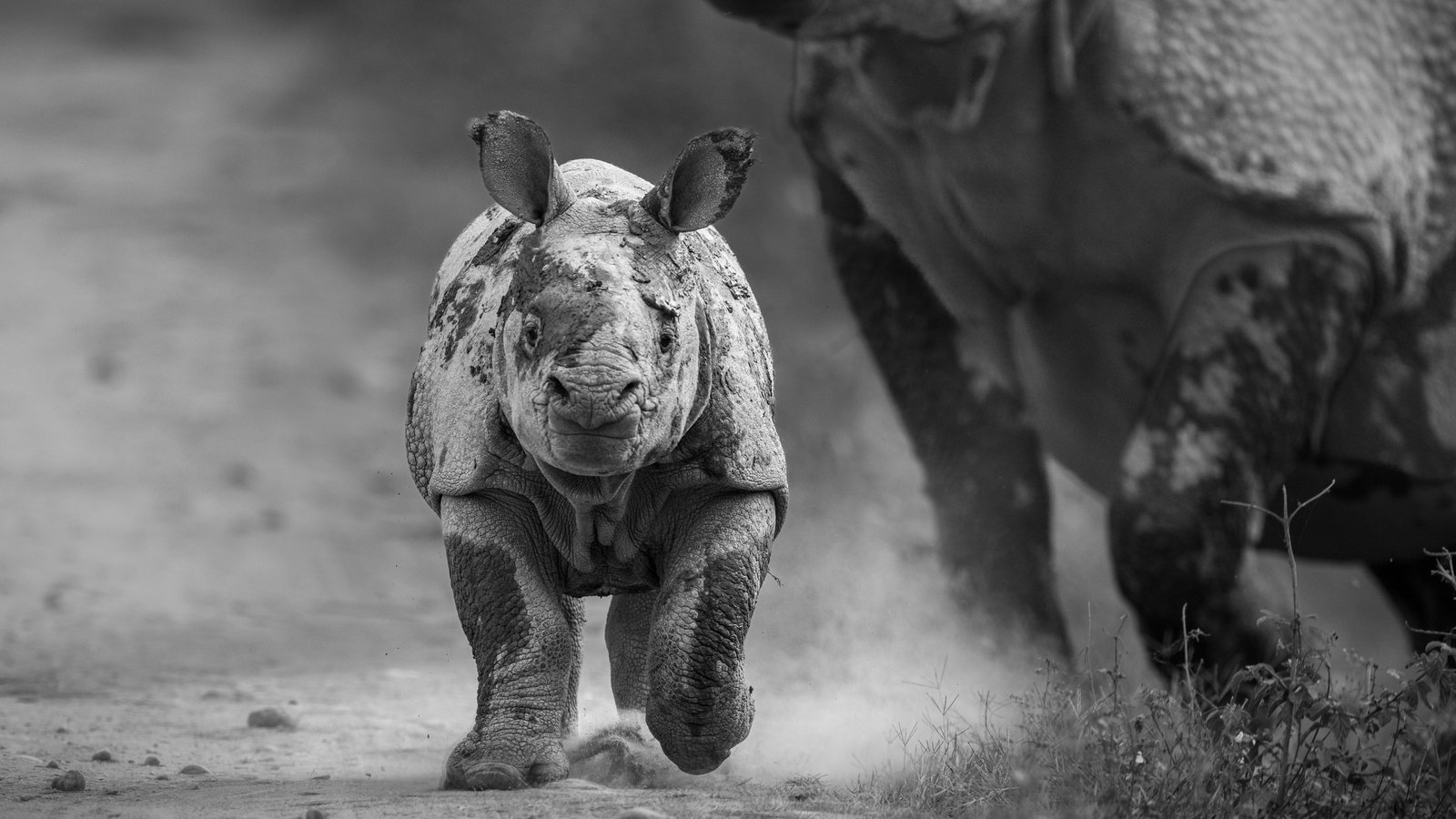
Recognized as a UNESCO World Heritage Site, Kaziranga National Park is one of Asia’s finest wildlife destinations. Its vast grasslands, forests, and wetlands support an incredible concentration of wildlife, including the iconic Greater One-horned Rhinoceros, Asian Elephants, Wild Water Buffalo, Eastern Swamp Deer, and over 500 species of birds. For wildlife photographers, Kaziranga provides exceptional opportunities to capture dramatic encounters in one of India’s most biologically rich landscapes.
5 Days (4 Nights)
$4,450 CAD on double sharing.
Single supplement $700 CAD
As you walk out of Indira Gandhi International Airport, there will be a car waiting to take you to our stay just 4.5 kms away. Roseate House New Delhi is a contemporary upscale 5 star hotel in the capital’s only hospitality district, Aerocity. The day is free to relax and meet up with your hosts Michelle & Manpreet who will lead the tour and also be introduced to the other guests.
We will take an early morning flight to Jorhat in Assam and then proceed by road to Kaziranga
Our days will start early and over the next two days we will explore different areas of the park looking for rhinos, elephants and other wildlife as well as birdlife.
After capturing a diverse varity of wildlife, we will head back to Delhi.
Yes, most travelers need an e-Visa, which can be applied for online here https://indianvisaonline.gov.in/evisa/
Processing takes 3–5 business days, so apply at least a week in advance. A 30 day e-Tourist Visa application can be made 30 days in advance from the proposed date of travel. A 1 year / 5 year e-Tourist Visa can be made 120 days in advance from the proposed date of travel.
For latest Canadian recommendation please check https://travel.gc.ca/travelling/health-safety/vaccines
And for the USA recommendations https://wwwnc.cdc.gov/travel/destinations/traveler/none/india
Absolutely. The extension to experience the Taj is really for everyone. As photographers we try our best to be at every location at the best time of the day
No. Always drink bottled, boiled, or filtered water to avoid stomach issues.
The currency is Indian Rupees (INR) Major currencies such as US dollars, British pounds and Euros are easy to exchange throughout India. Most international airports throughout the country will have money exchange counters and also all cities have money exchange agents. ATMs are also readily available throughout the country, but near the parks they may run out of cash frequently.
Yes, in hotels, malls, and large restaurants. But cash is needed for street markets, taxis, and smaller shops. The most commonly used cards are Visa and Mastercard, but neither American Express nor Diner’s Club are widely accepted in India.
The electricity supply is 230 – 240 volt, with type C or D plugs. Most North American visitors will require an adaptor. Many of the lodges have international sockets in the rooms, and there are ample sockets available for charging cameras etc.
The hotels will have wi-fi and easy access to internet.
India is generally safe for travellers and we will be there to take care of you at every step. Certain basic precautions apply. It is a good idea to lock away your spare currency, traveler’s’ cheques, passports and jewellery. Try not to walk around or travel on roads alone late at night, particularly in deserted areas, avoid travelling on the roads after dark. As anywhere else, never leave your luggage unattended at an airport or train station. Always book transfer vehicles in advance from a reputed tour operator or the hotel.
Late March is dry & sunny. Afternoons can become quite hot (expect temperatures potentially ranging from highs of 25°C to 35°C+ / 77°F to 95°F+).
Think light, loose, breathable, and respectful. Prioritize comfort for walking and protection from the sun. Covering shoulders and knees is the best guideline for modesty
• 6. For Early Morning (Optional): When visiting very early for sunrise, the temperature might be slightly cool initially. A very light cardigan or long-sleeved shirt that you can easily remove later might be useful.
There will be a fair bit of walking inside the monuments with occasional stairs to climb. The day time temperatures would be on the higher side.
Tripods and drones are not allowed at the Taj. Video gear might attract special permits & fees. Cameras and cell phone pictures are allowed. No photography inside the main mausoleum.
Some dos & don’t at the Taj