
Wild Tigers

of Central India

with Michelle Valberg & Manpreet Sokhi

April 06 to April 20, 2027

$13,950 USD

Experience the Awe & Thrill of the Majestic Wild Bengal Tigers

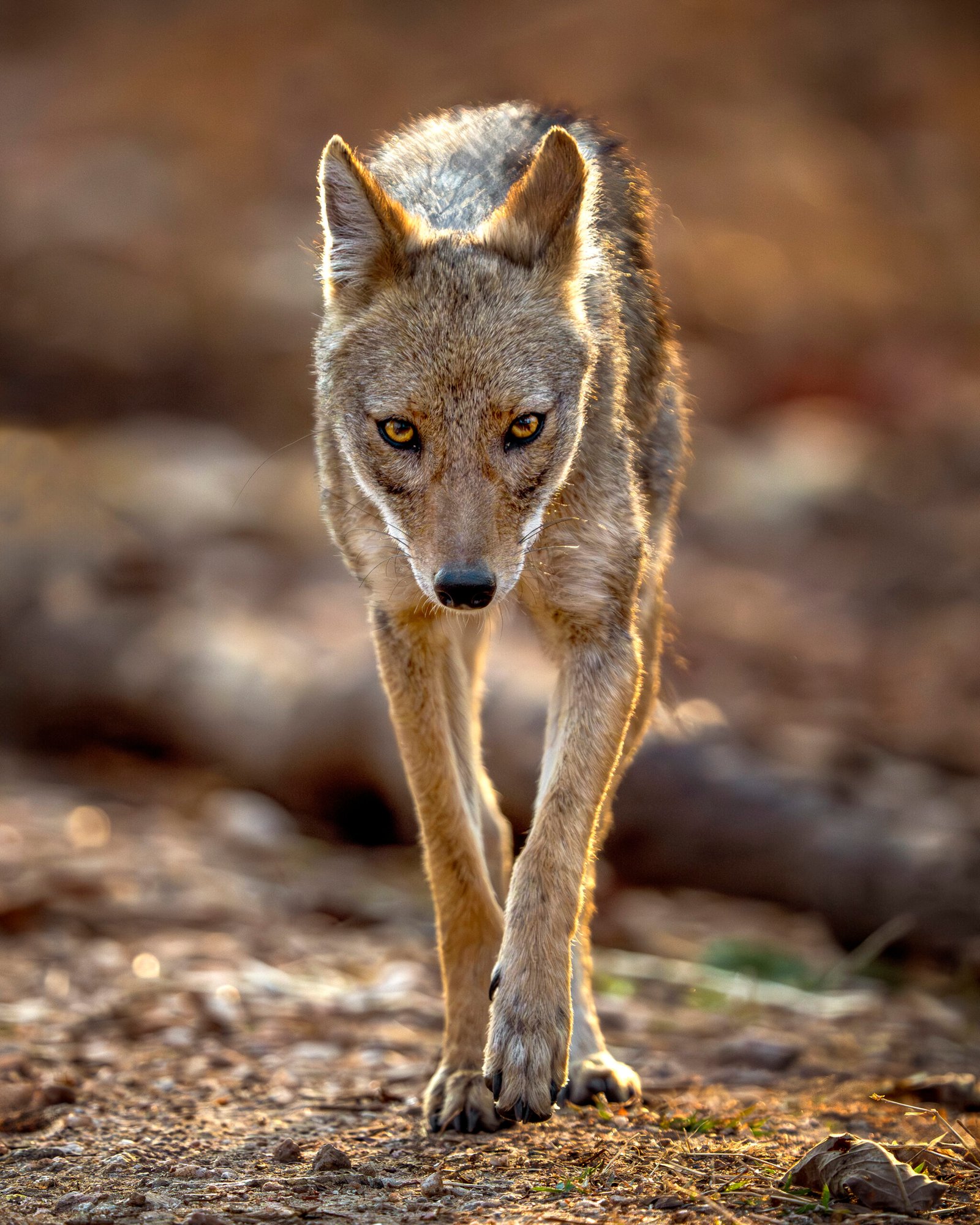
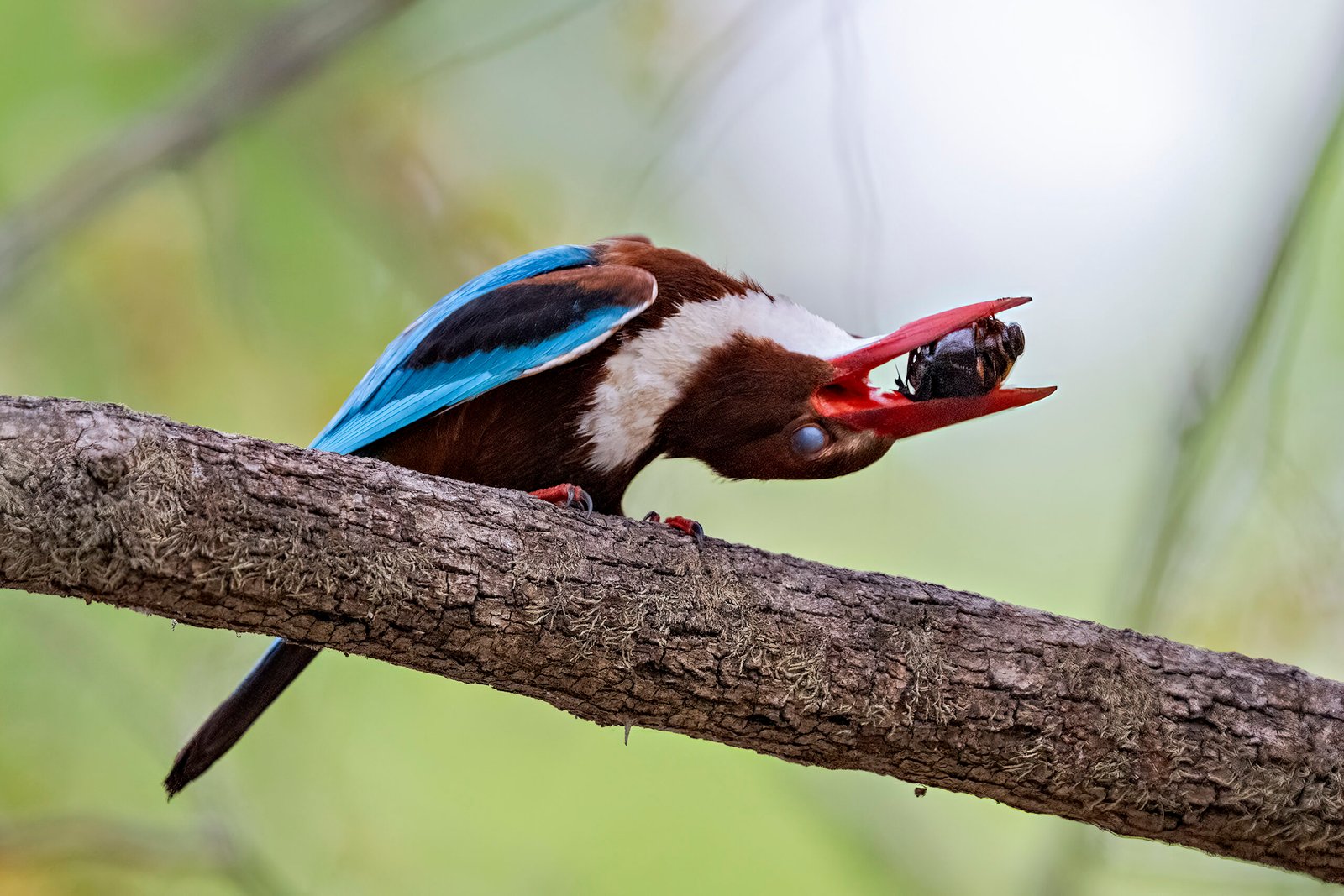
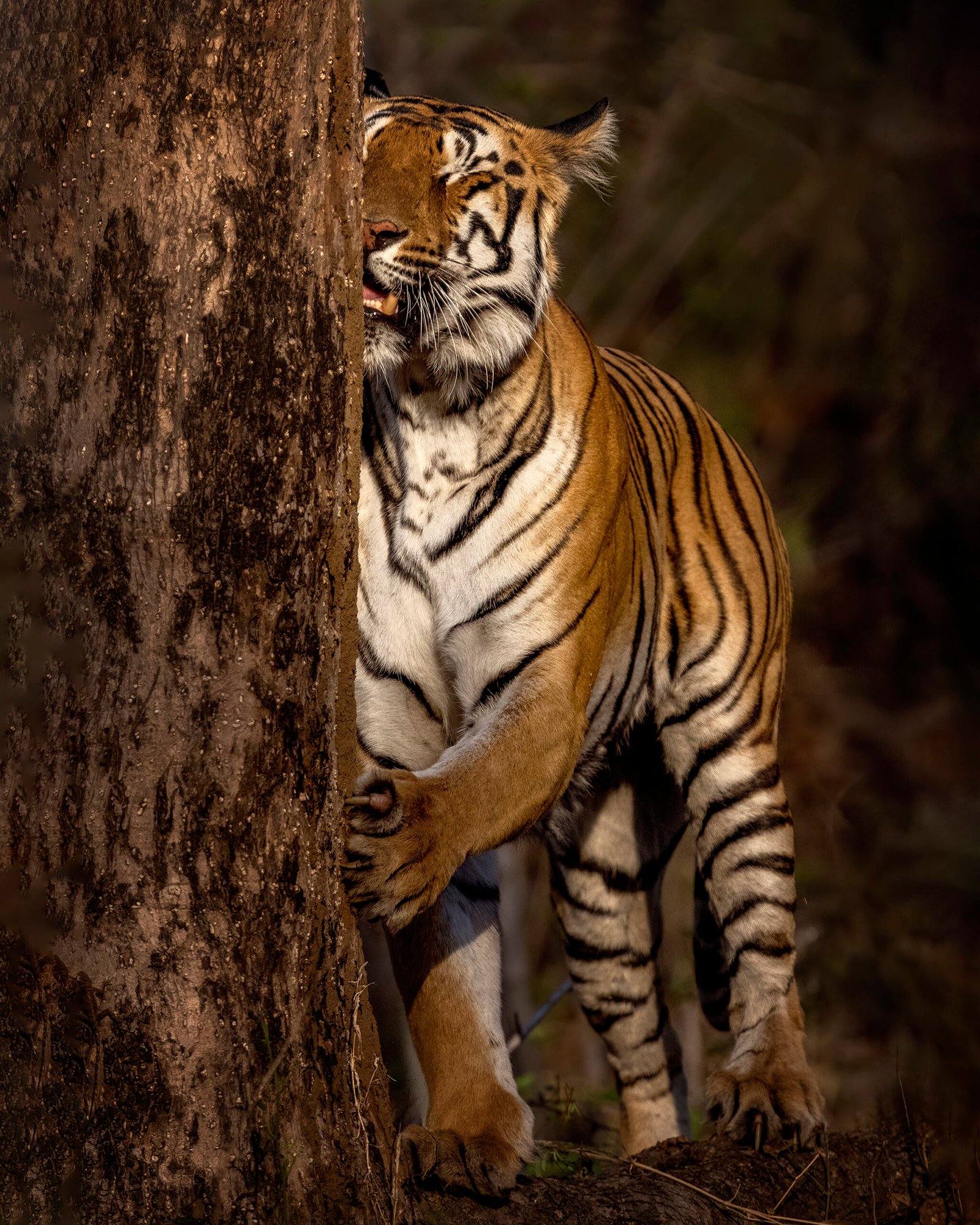
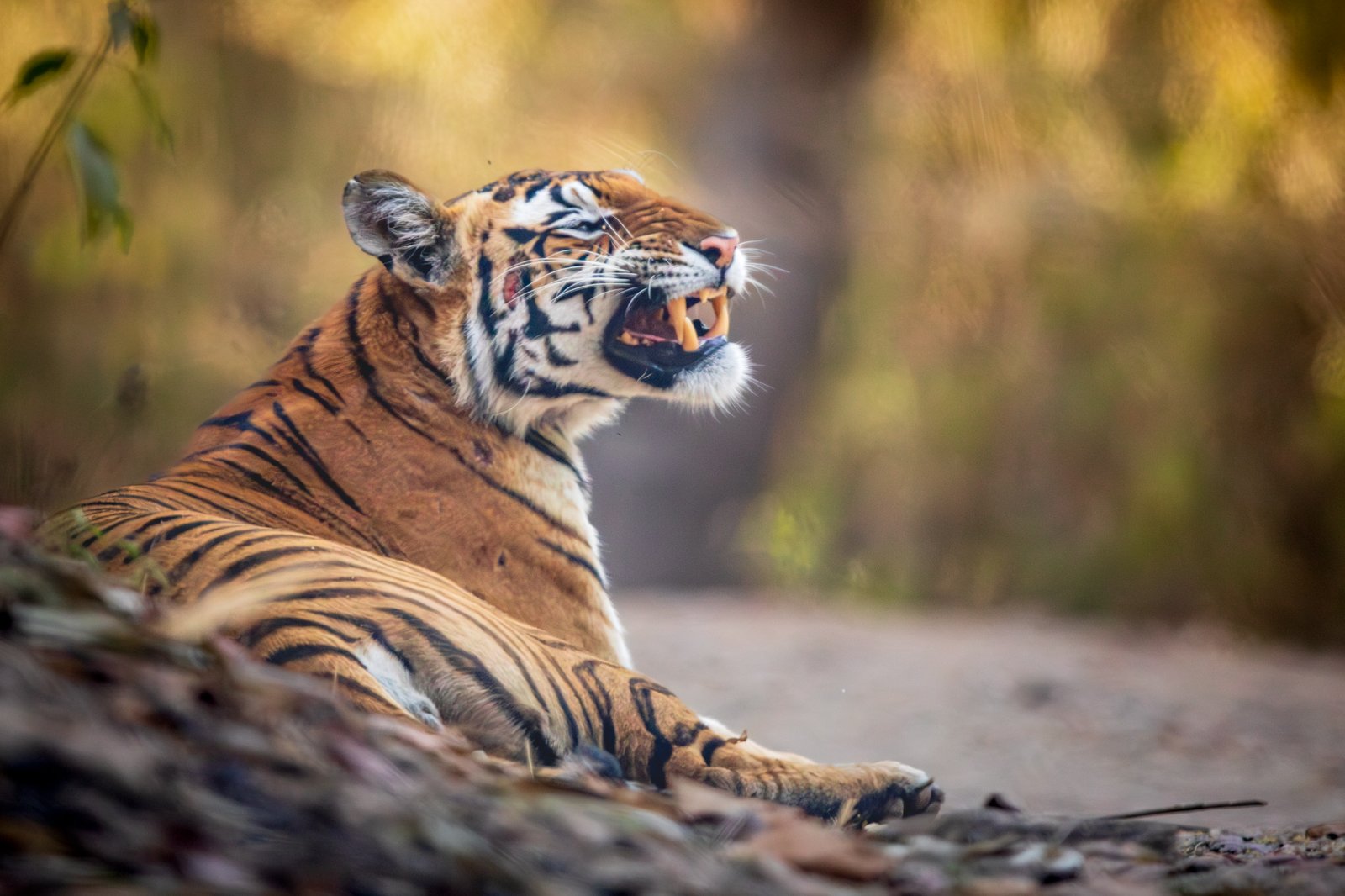
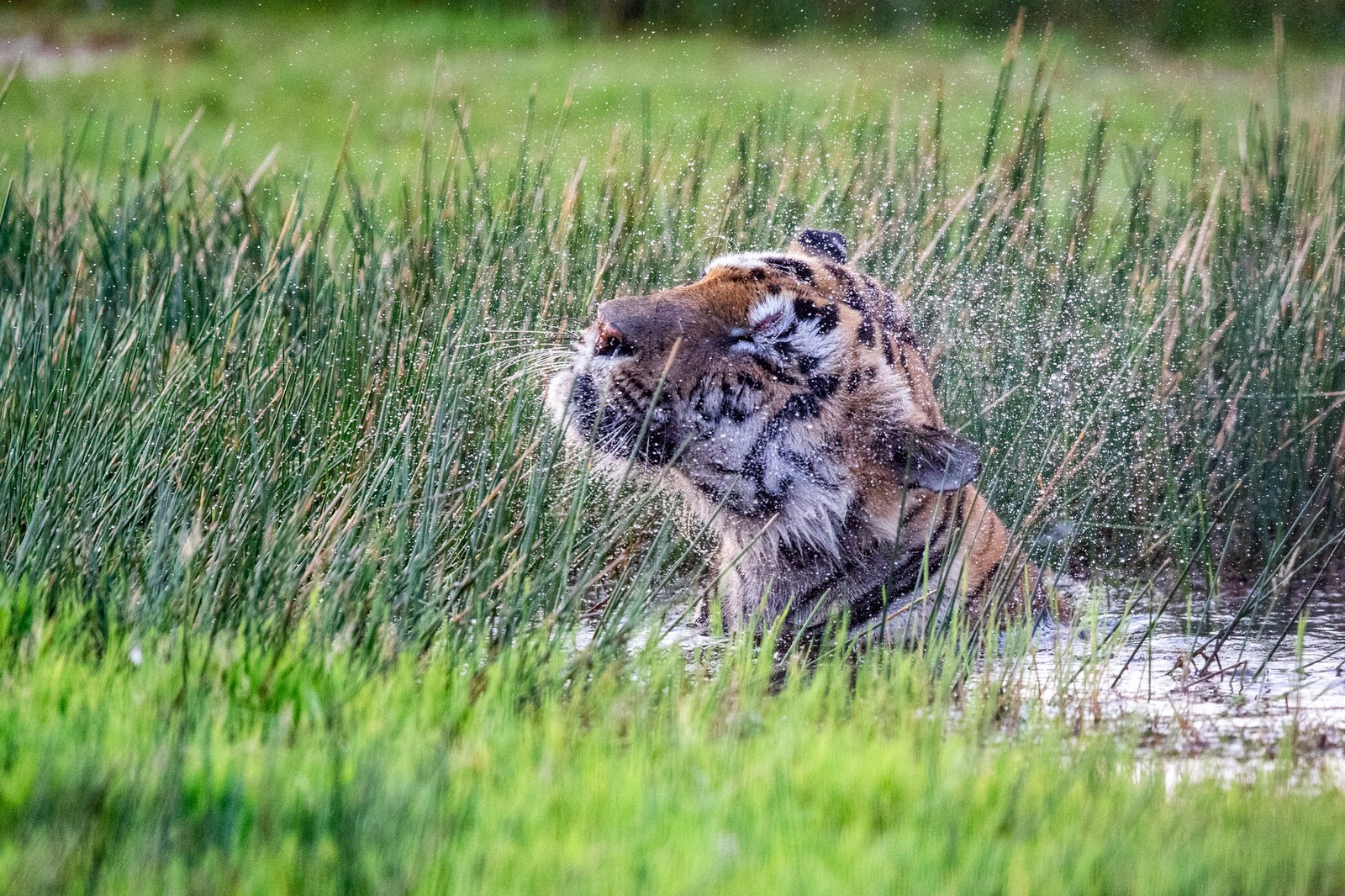
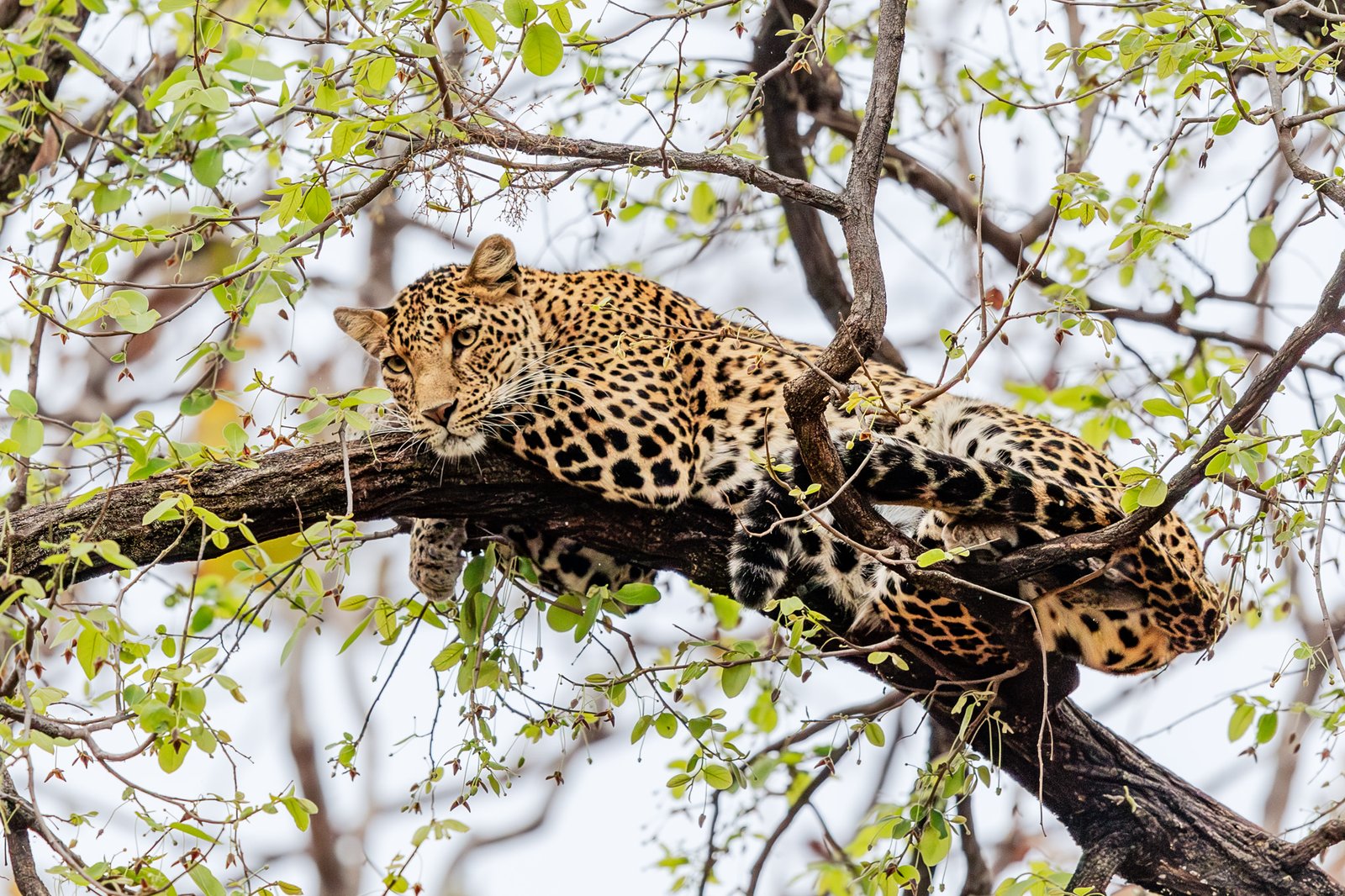
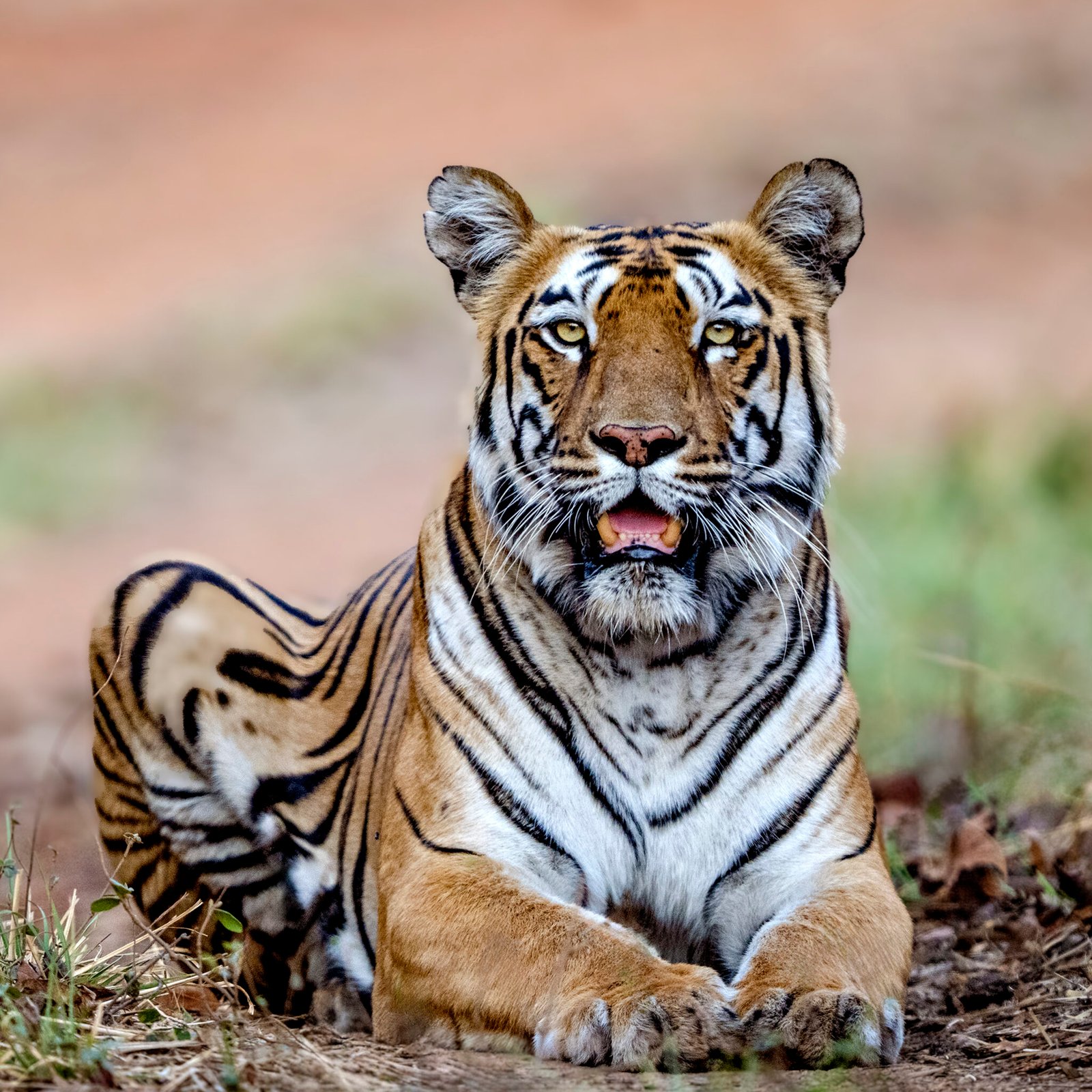
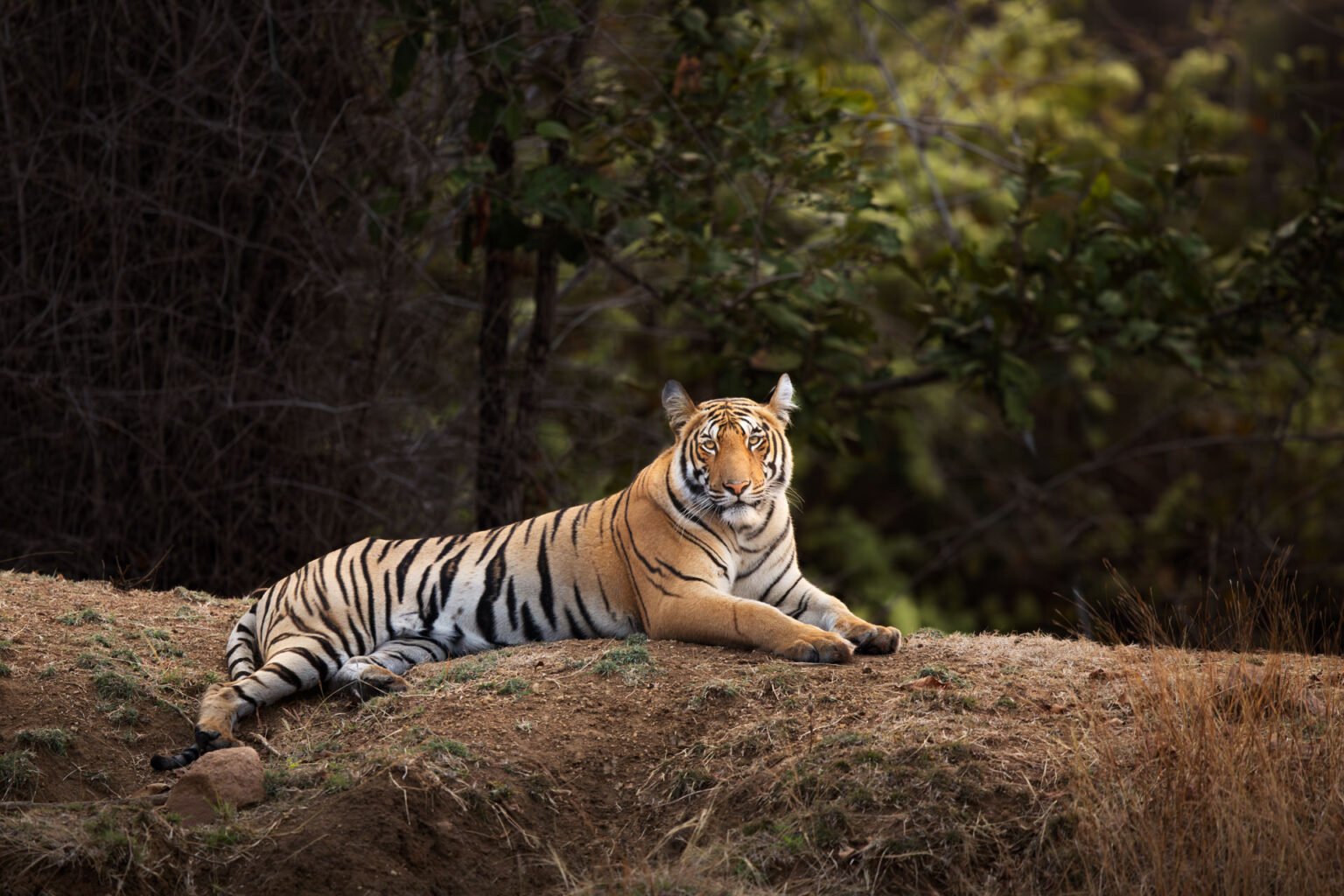
Experience the magic of Central India, home to the world’s largest population of wild Bengal tigers and some of the most rewarding wildlife photography anywhere on Earth. Ancient teak forests, bamboo jungles, tranquil lakes, and open meadows provide a stunning backdrop as you search for this magnificent predator alongside leopards, sloth bears, wild dogs, gaur, deer, and an extraordinary variety of birdlife. Every safari is filled with anticipation, as each turn in the jungle could reveal a tiger emerging from the forest or walking confidently along the track. 

Join award-winning photographers Michelle Valberg and Manpreet Sokhi on this unforgettable 15-day photographic adventure, where expert guidance, exceptional naturalists, and countless photographic opportunities combine to create an experience you’ll never forget.

Michelle Valberg is a world renowned wildlife photographer, educator, a gold medalist at the World Photographic Cup and a Nikon Ambassador. Manpreet Sokhi is an award winning photographer who also represented Canada at the World Photographic Cup, where he was in the top ten in his category and is proficient with Canon camera gear. 

Manpreet spent half his life in India before moving to Canada and he is very familiar with the local Indian language, culture and customs, making your experience truly memorable

Your Experience At Kanha

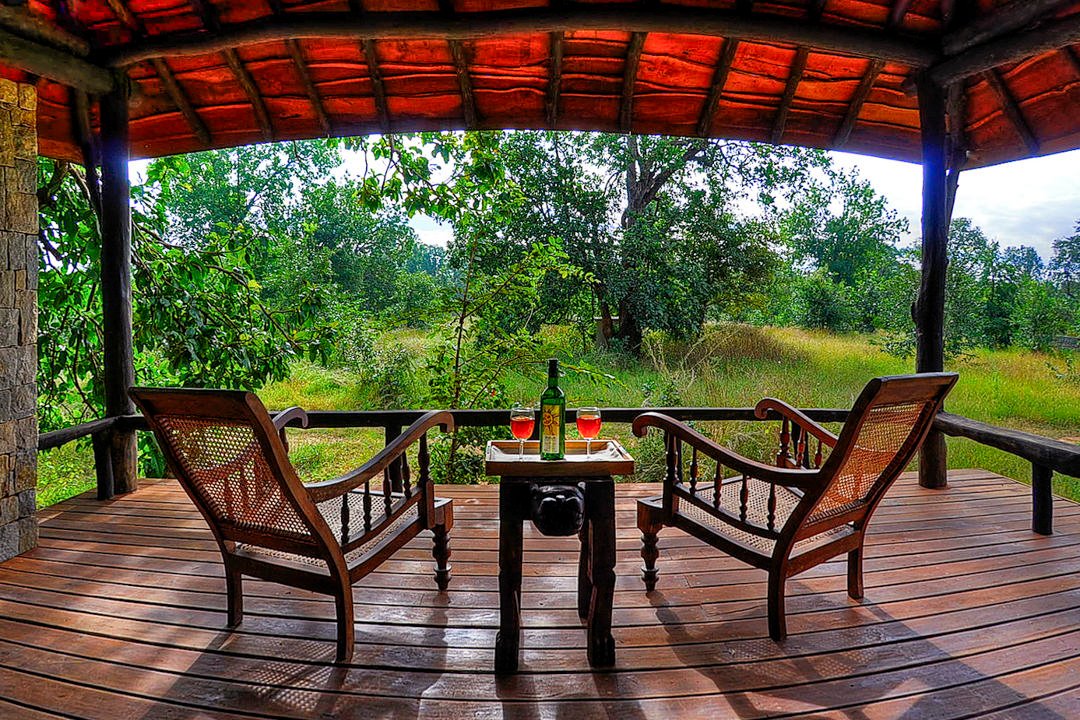
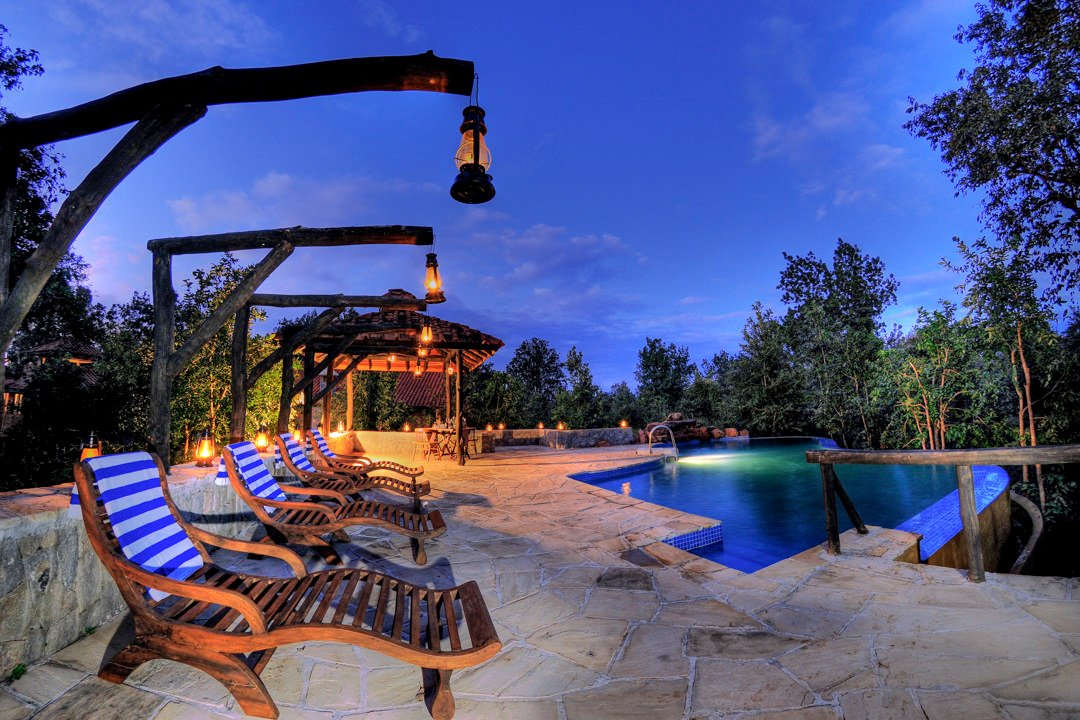
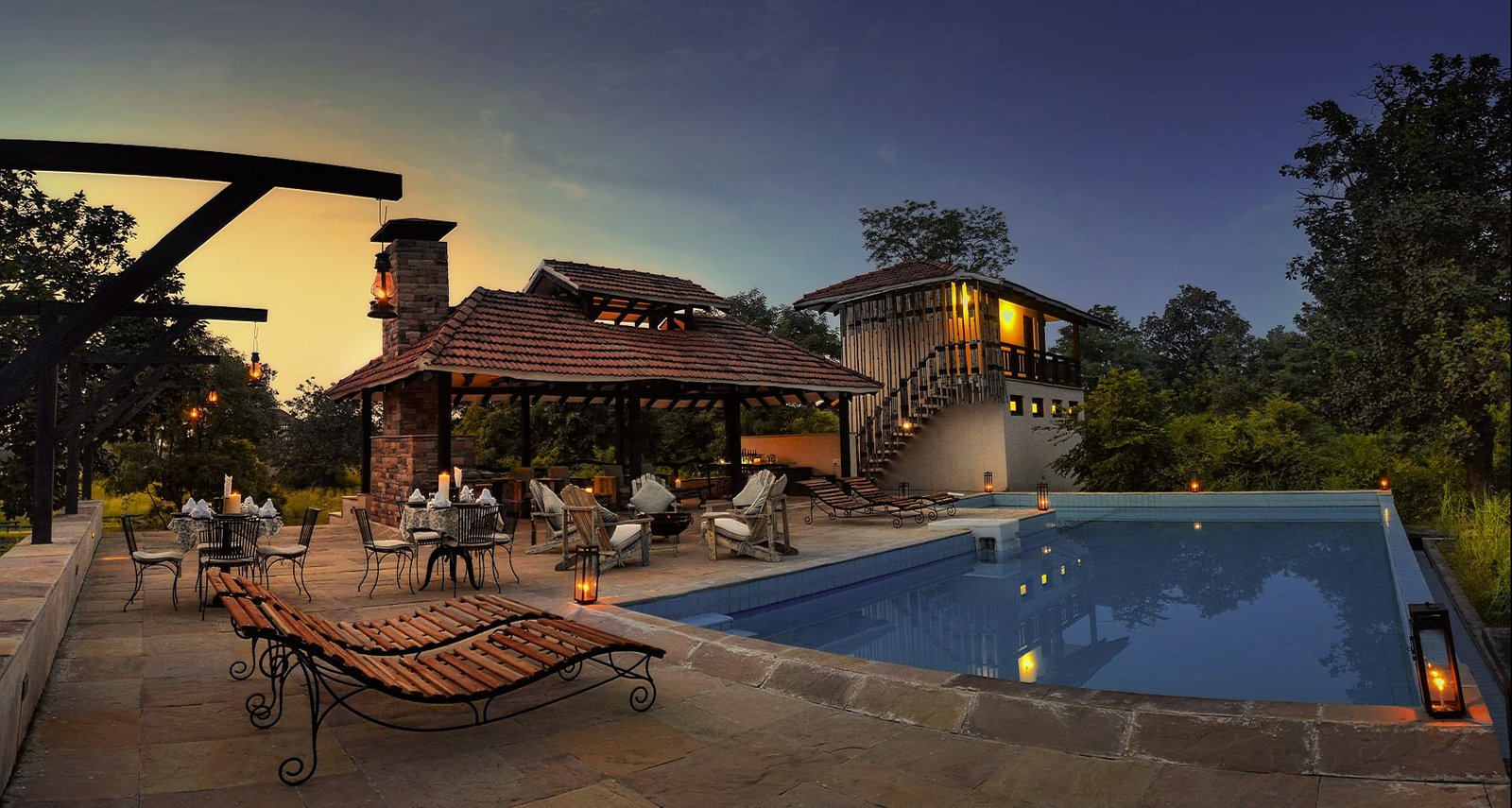
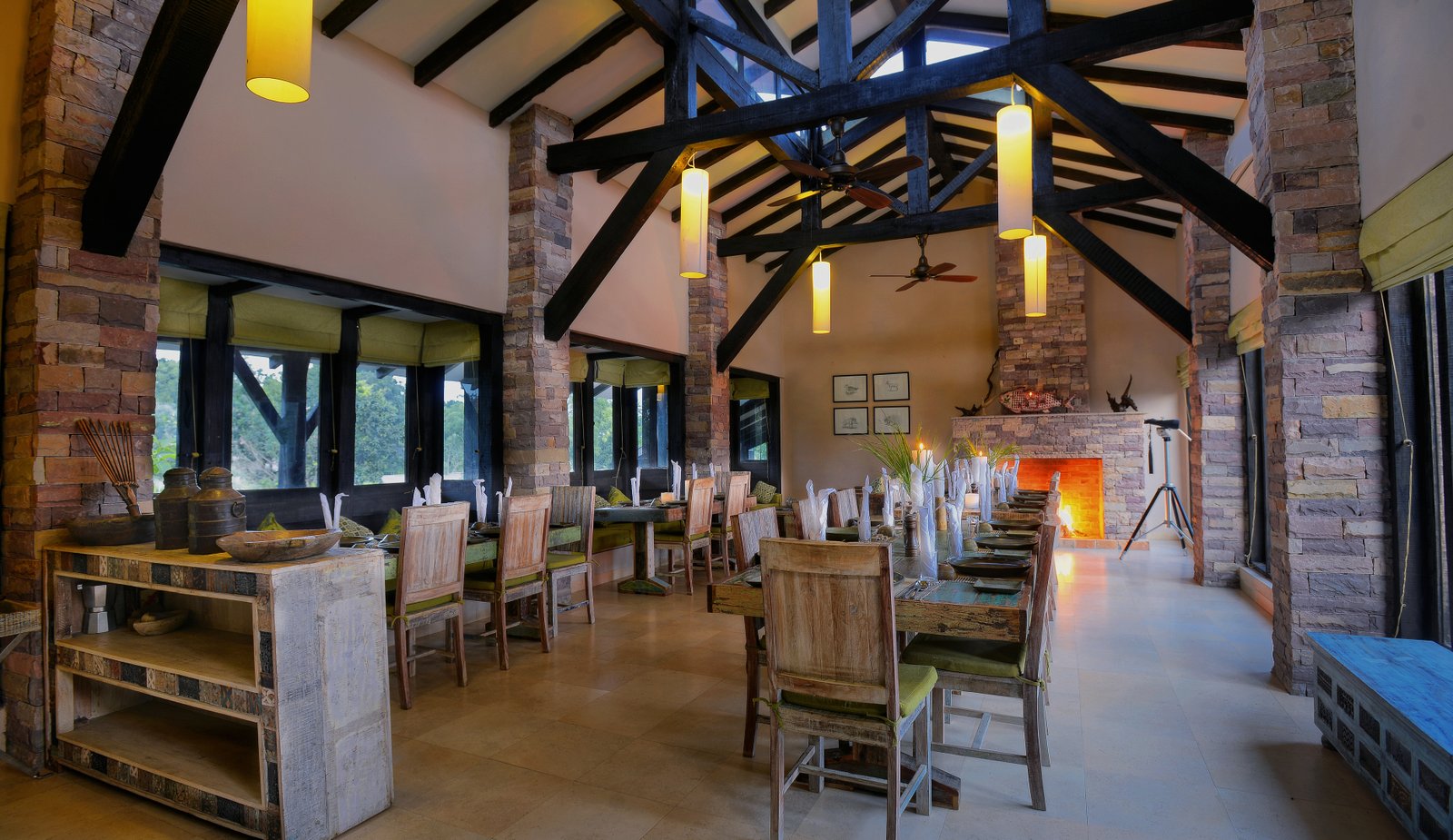
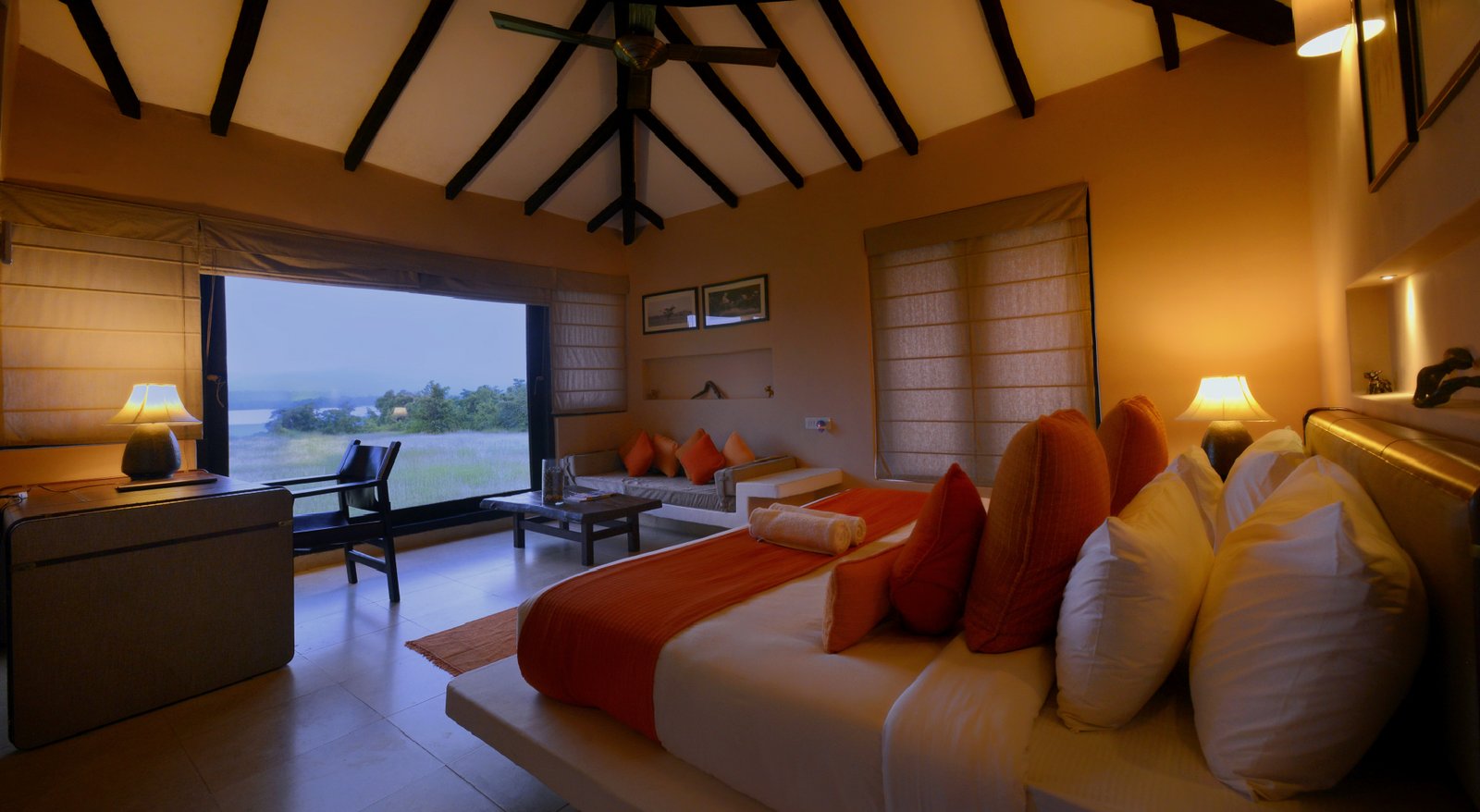
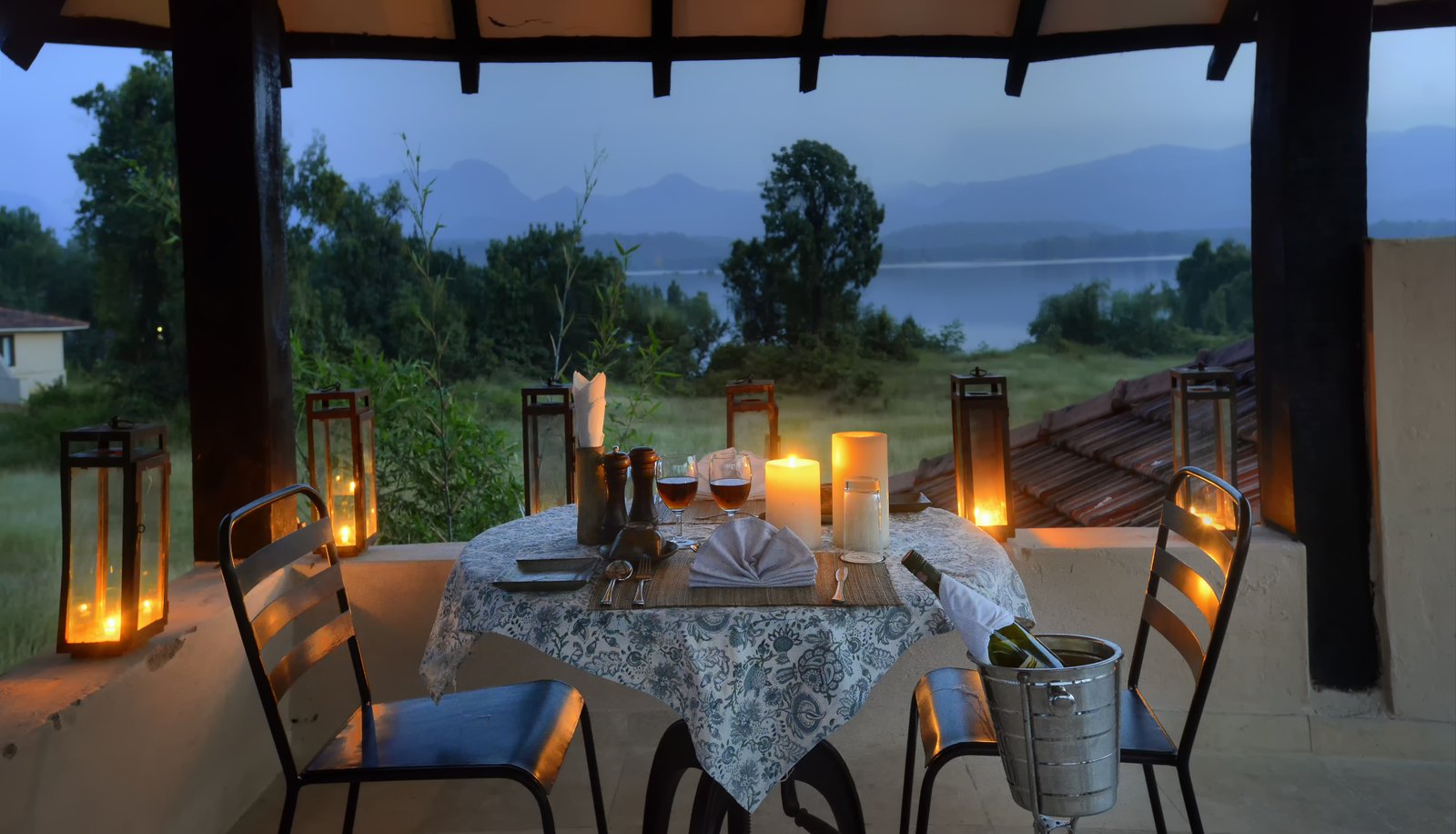
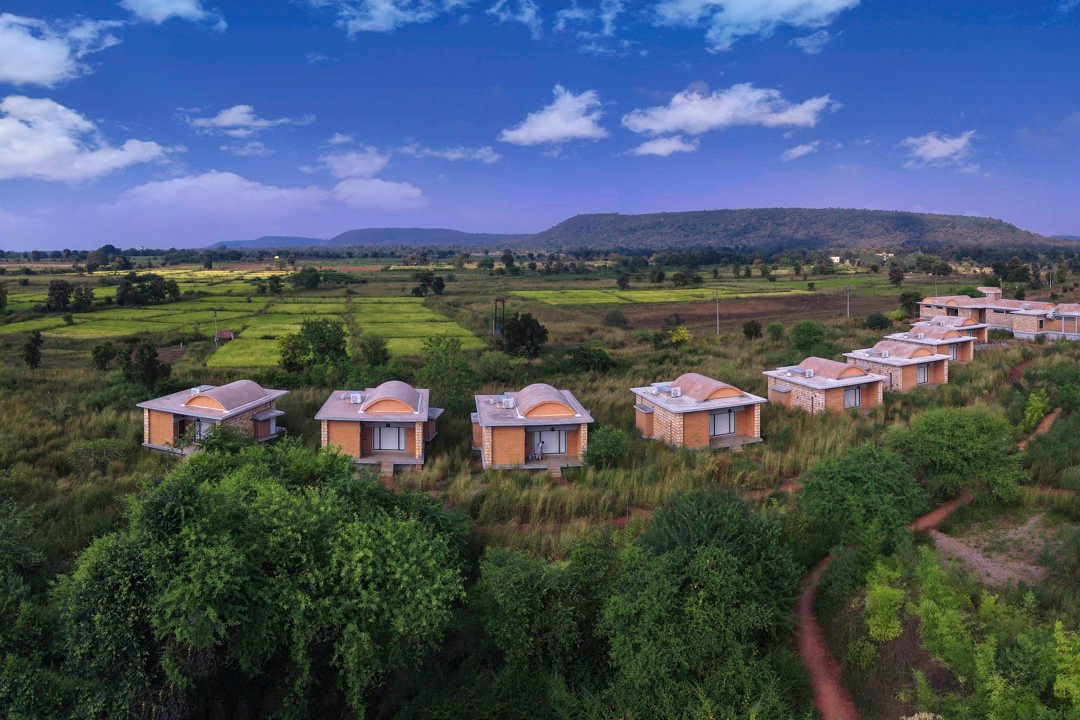
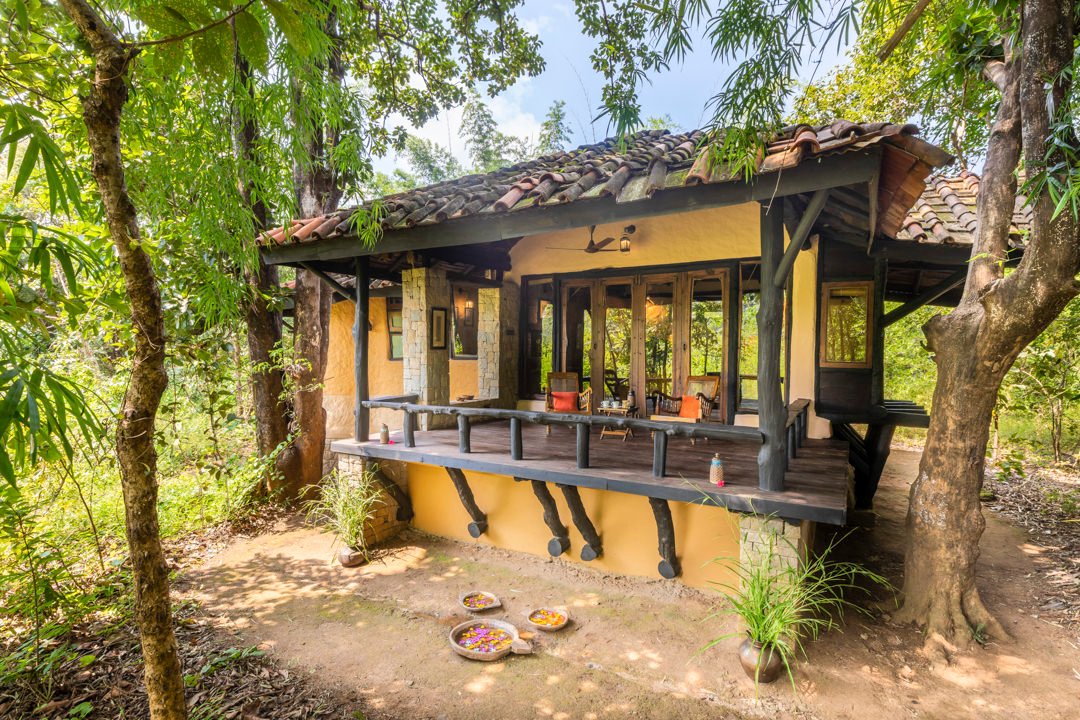
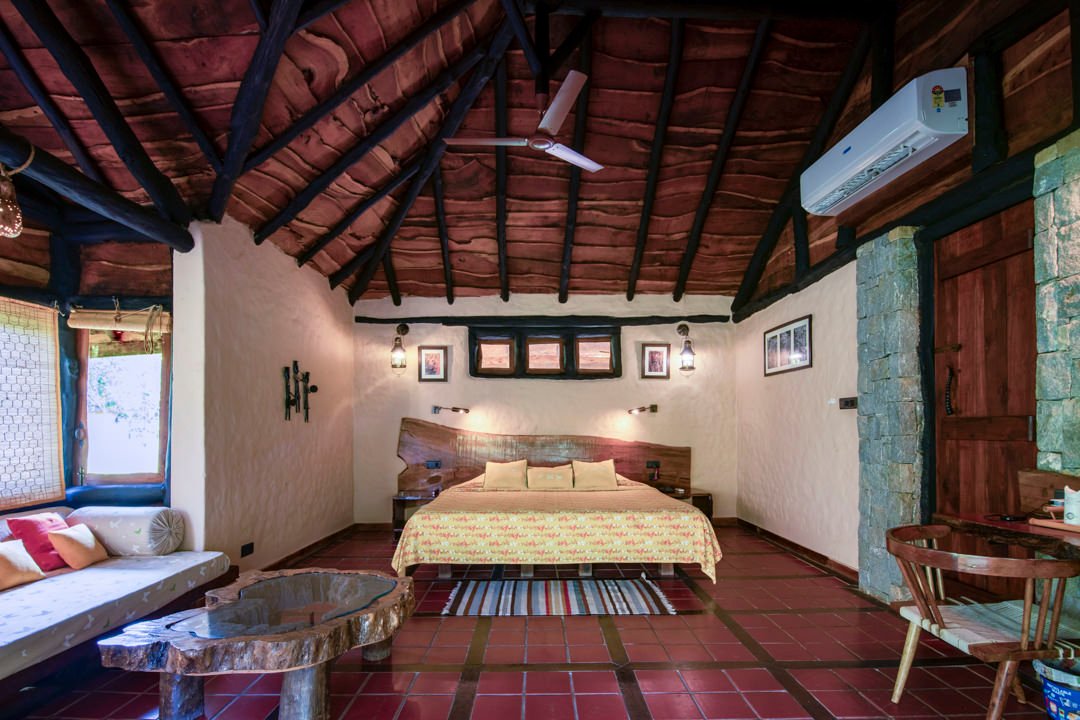
Stay at Kanha Earth Lodge, a wildlife resort,  spread over 16 acres of natural forest & is tucked away in a small tribal hamlet bordering the Kanha Tiger Reserve. Its unique location, ensures that it is close enough for an easy access to the park, but still far enough from the busy tourism hub of Kanha National Park to offer its guests a true wilderness experience.

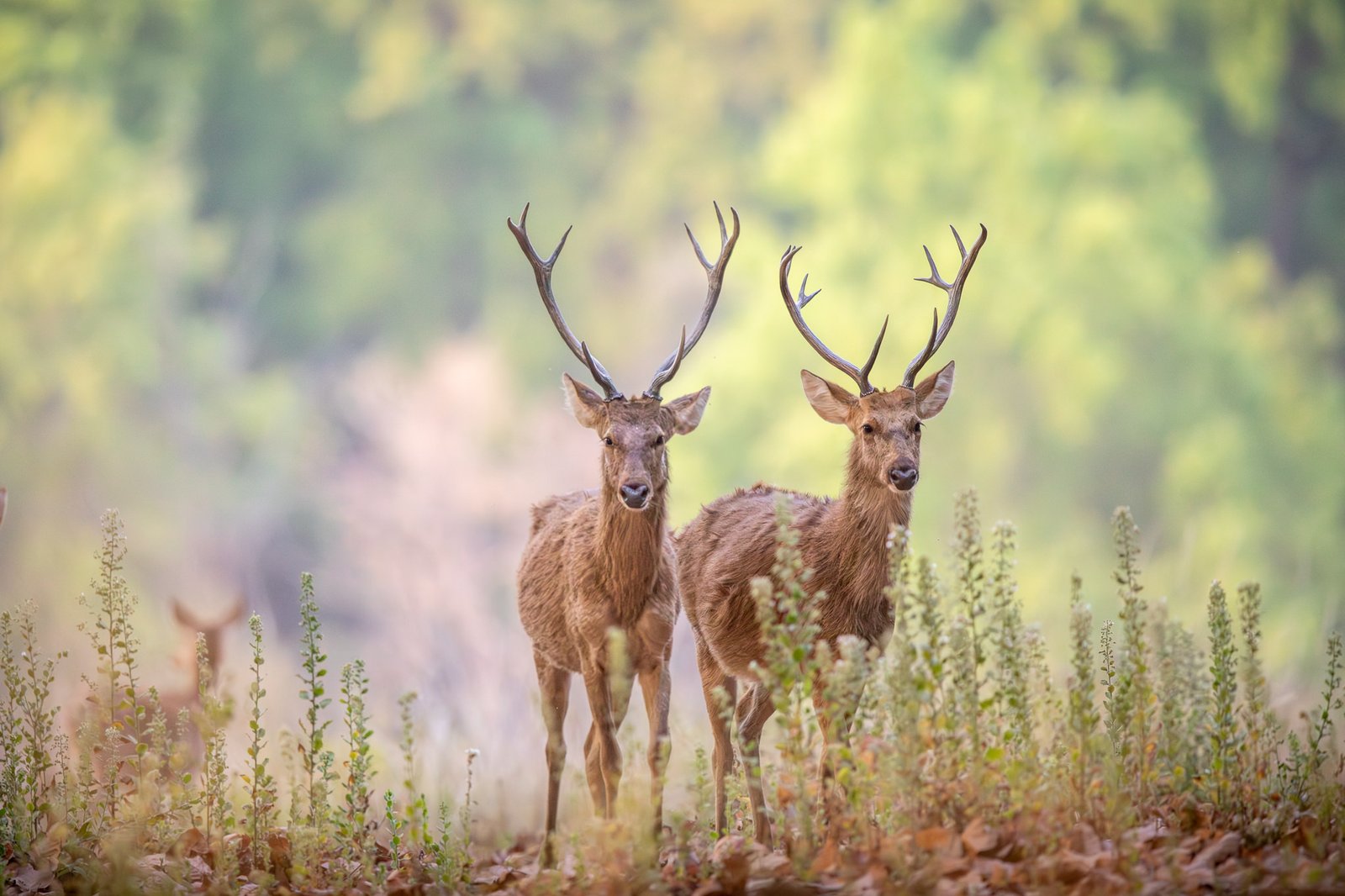
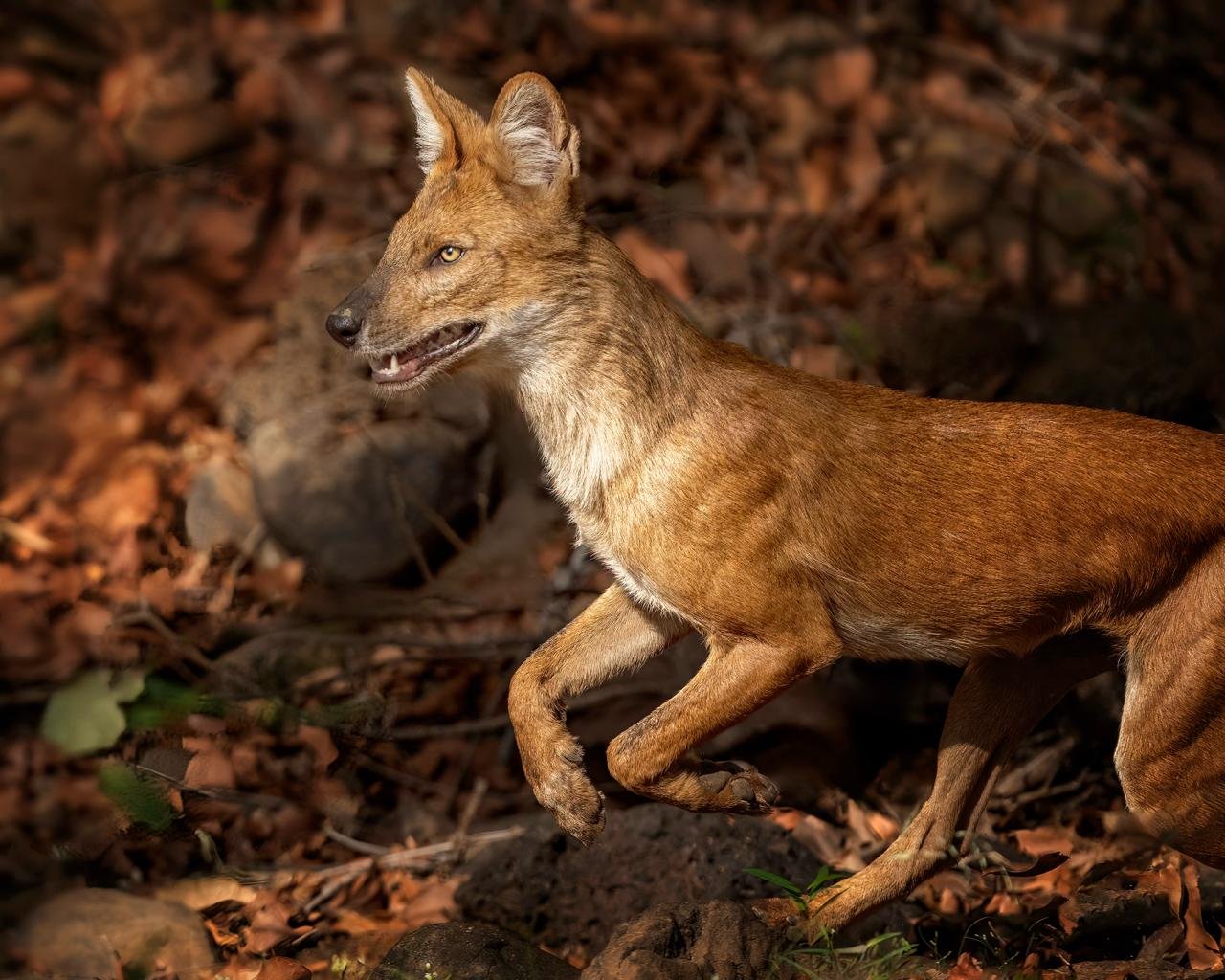
Kanha Tiger Reserve is spread across 1949 sq. kms in the central highlands of Madhya Pradesh. Kanha’s greatest achievement has been the preservation of Hard Ground Swamp Deer or Barasingha, from near extinction. Some of the wildlife found here are the Royal Bengal Tiger, Leopard, Sloth Bear, Barasingha, Four Horned Antelope, Wild Dogs, Gaur besides besides birds like Crested Hawk Eagle, White Rumped Shama, Lesser Whistling Duck, Jungle Owlet, Indian Peafowl.

Denwa Backwaters Escape

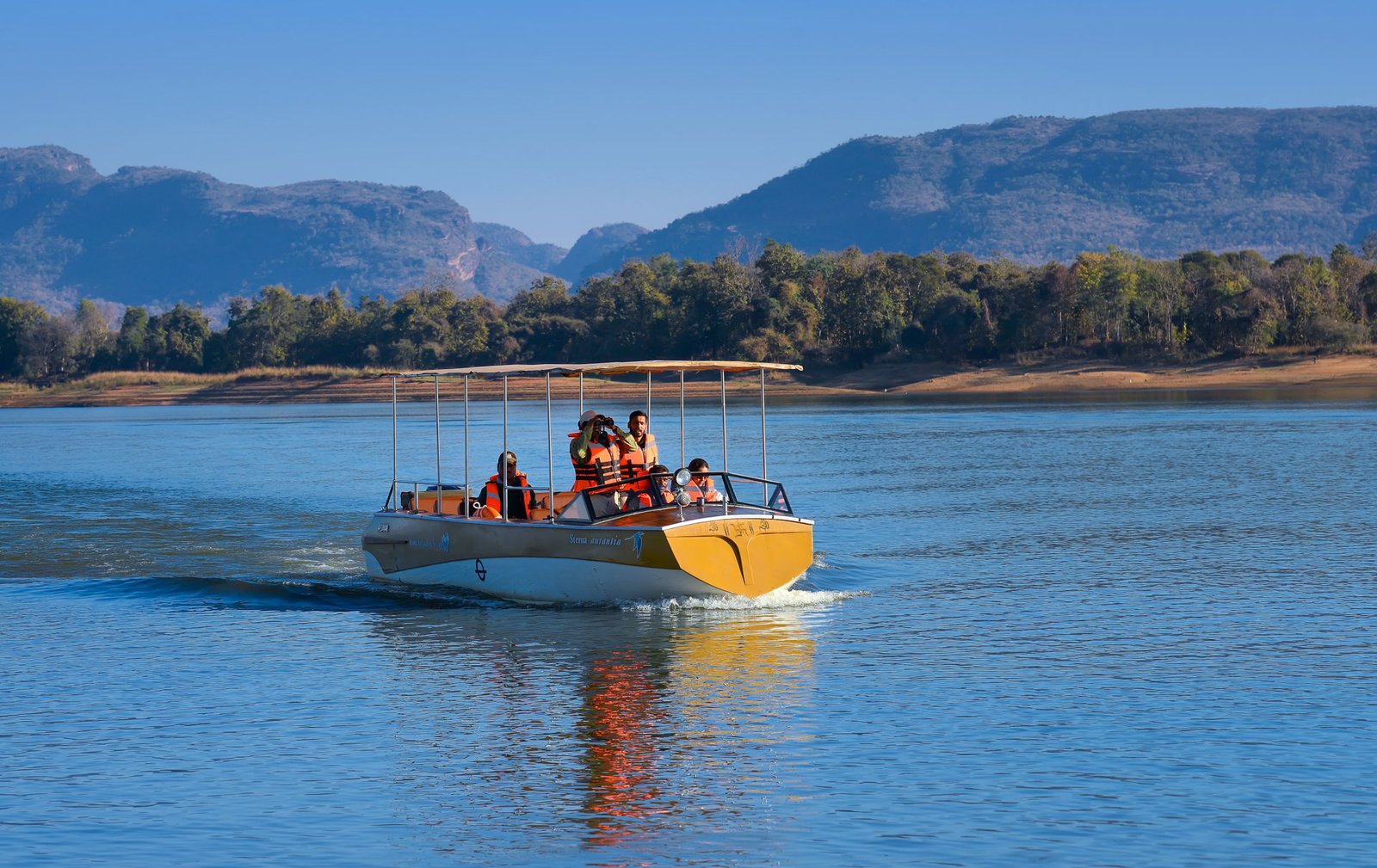
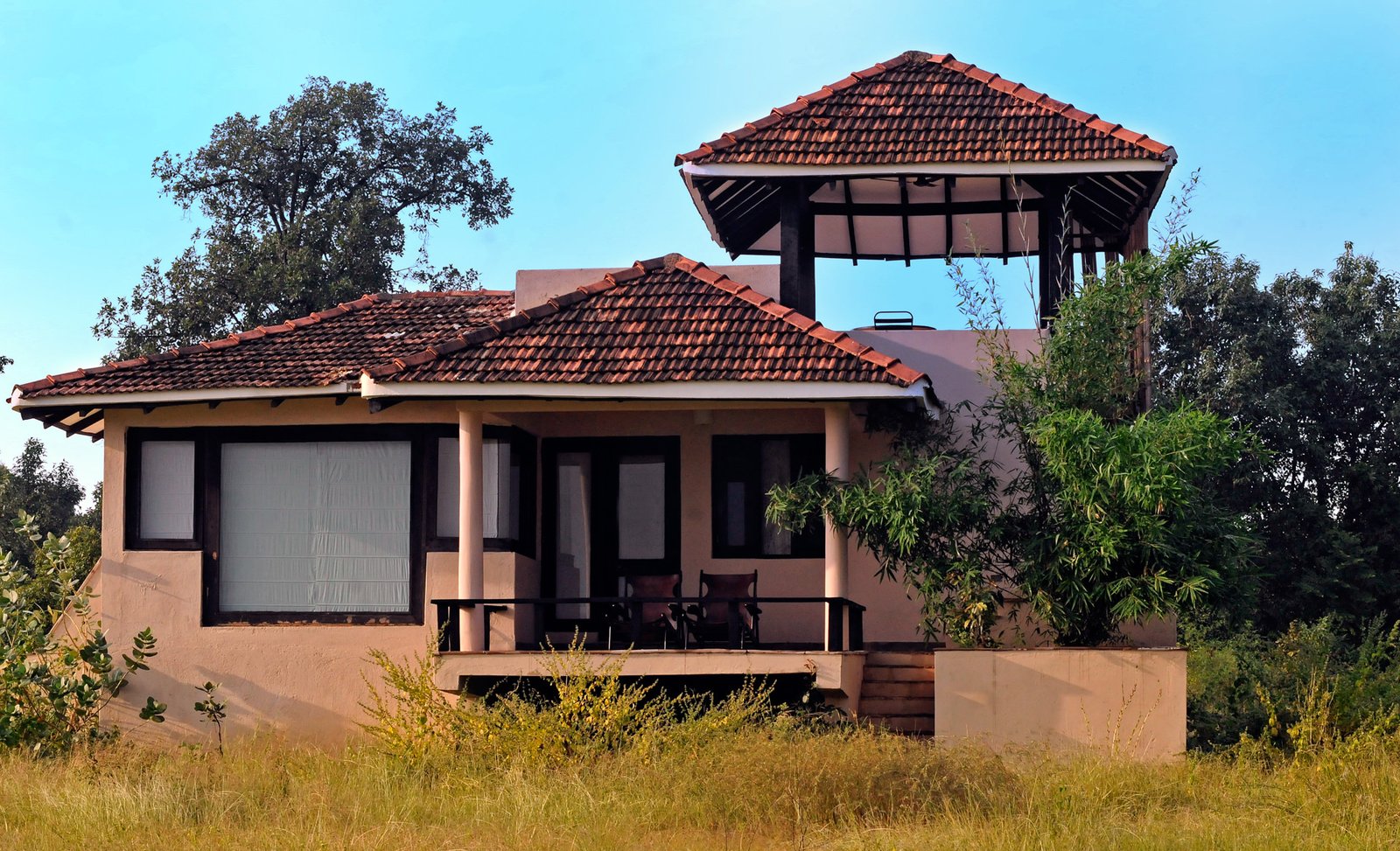
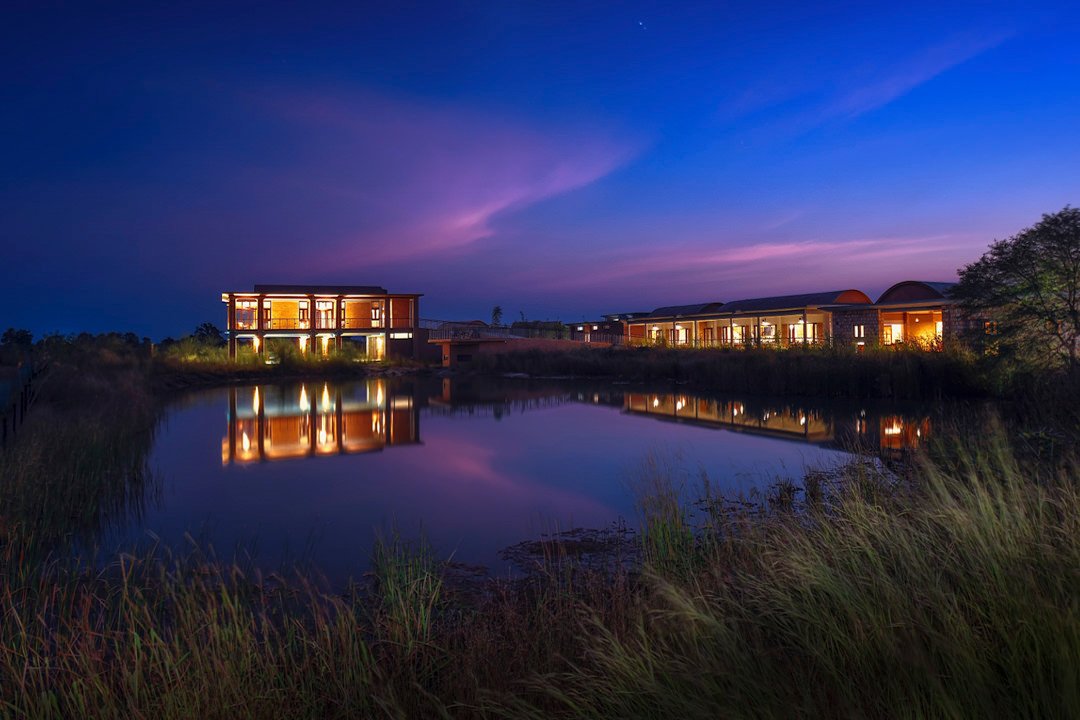
Denwa Backwater Escape is an eco-luxury wildlife lodge offering breathtaking views of the Satpura National Park, rolling Pachmarhi Hills, the tranquil Denwa River in Madhai and surrounding grasslands. Surrounded by indigenous forest, water bodies, and abundant wildlife, the lodge provides an immersive nature experience while remaining committed to sustainability as a completely single-use plastic-free resort. Access to the park is a true adventure, beginning with a boat ride across the river followed by jeep safaris into the heart of the forest.

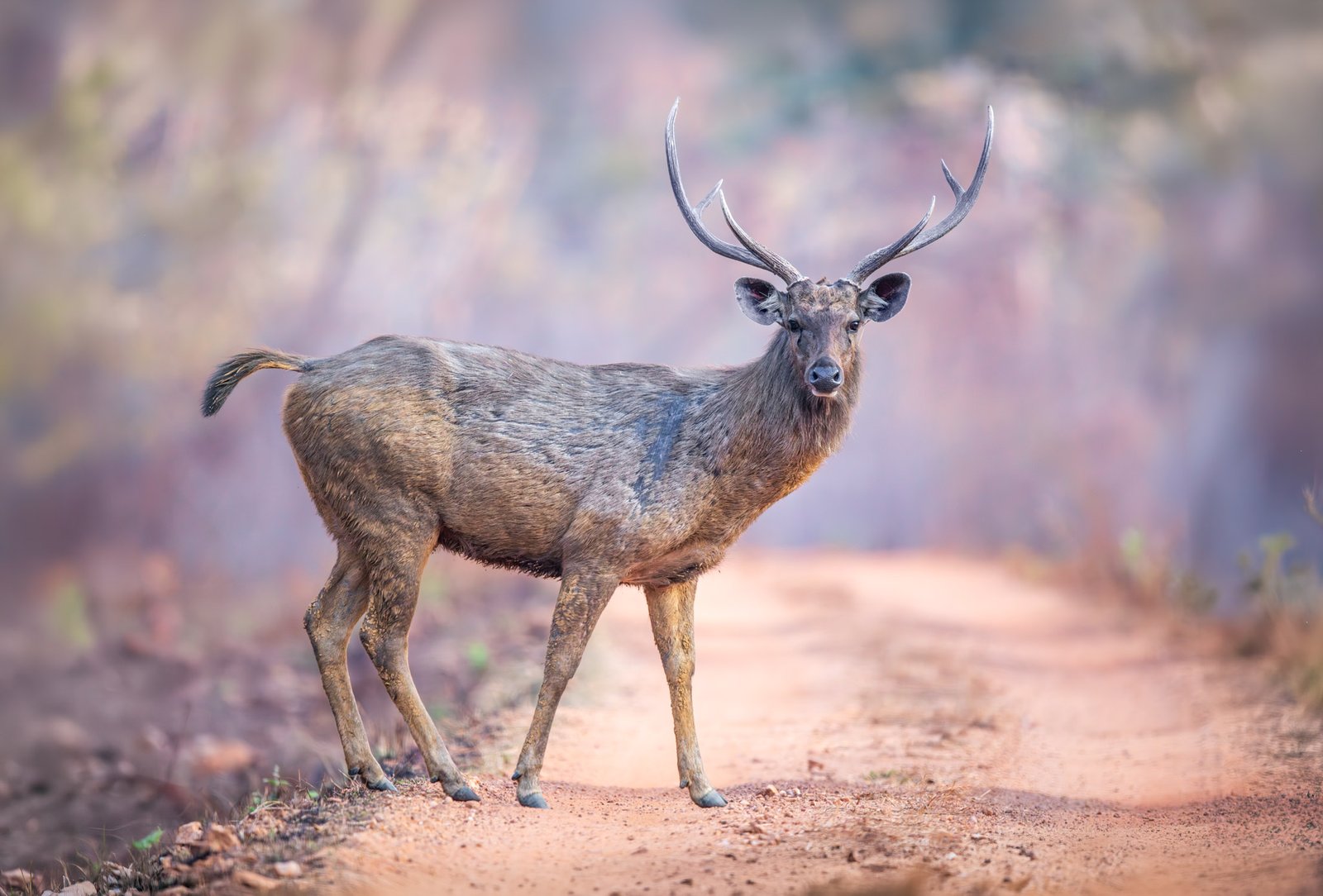
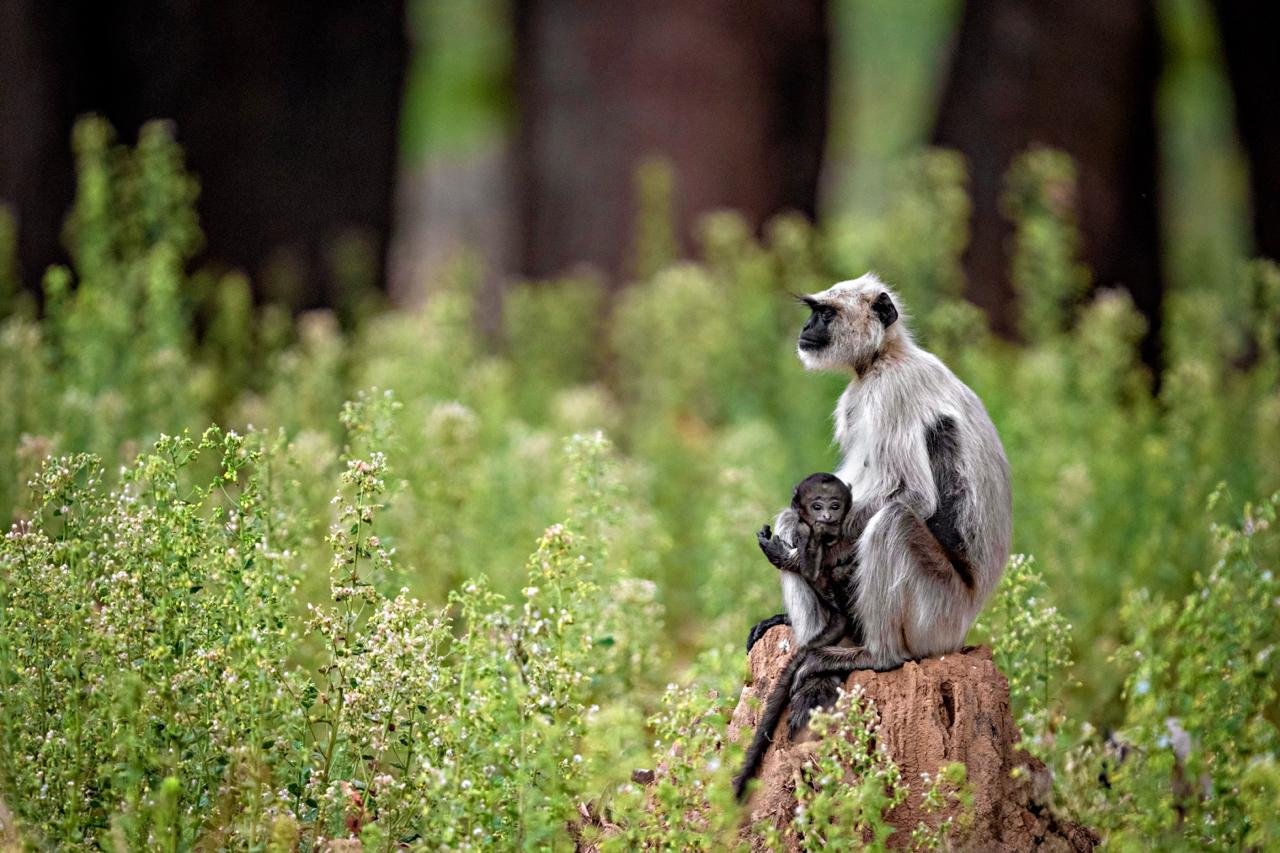
Satpura National Park has fascinating terrain with deep ravines, sandstone peaks, narrow gorges, rivulets, and cascading waterfalls; abounds in expansive sal and teak, mahua, tendu, bamboo forests, and medicinal herbs. Satpura’s charming landscape with its rich tapestry of flora and fauna is home to the Spotted Deer, Indian Bison (Gaur), Tigers, Wild boar, Wild dog (Dholes), Blackbuck, Porcupine, Sambhar, Four Horned antelopes (Chowsingha), Crocodile, Malabar squirrels, Langurs, and the famous Albino Gaurs. Sloth bear and Leopard sightings are the special attractions of Satpura.

Experience Tadoba - Rated As One Of The Best Parks

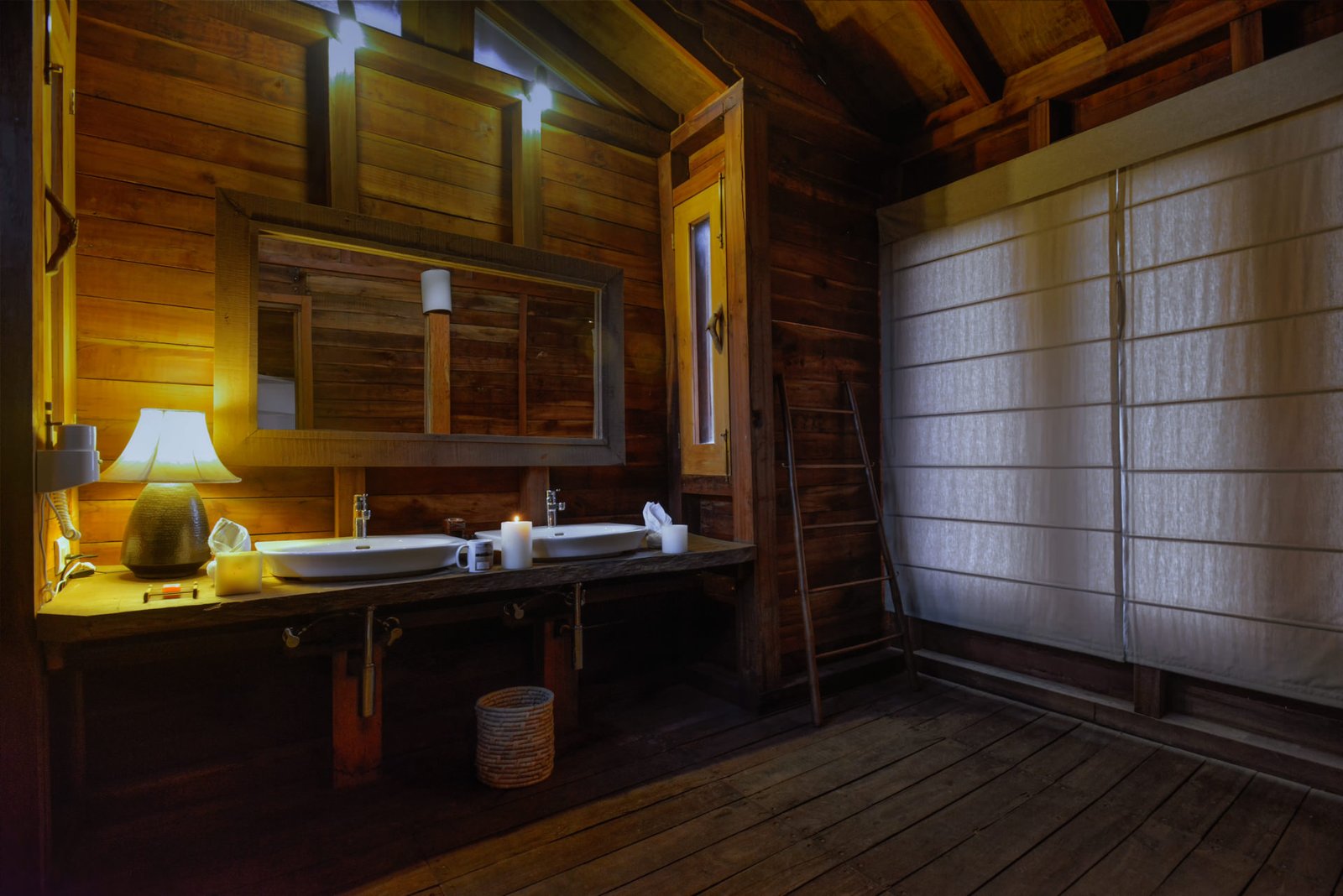
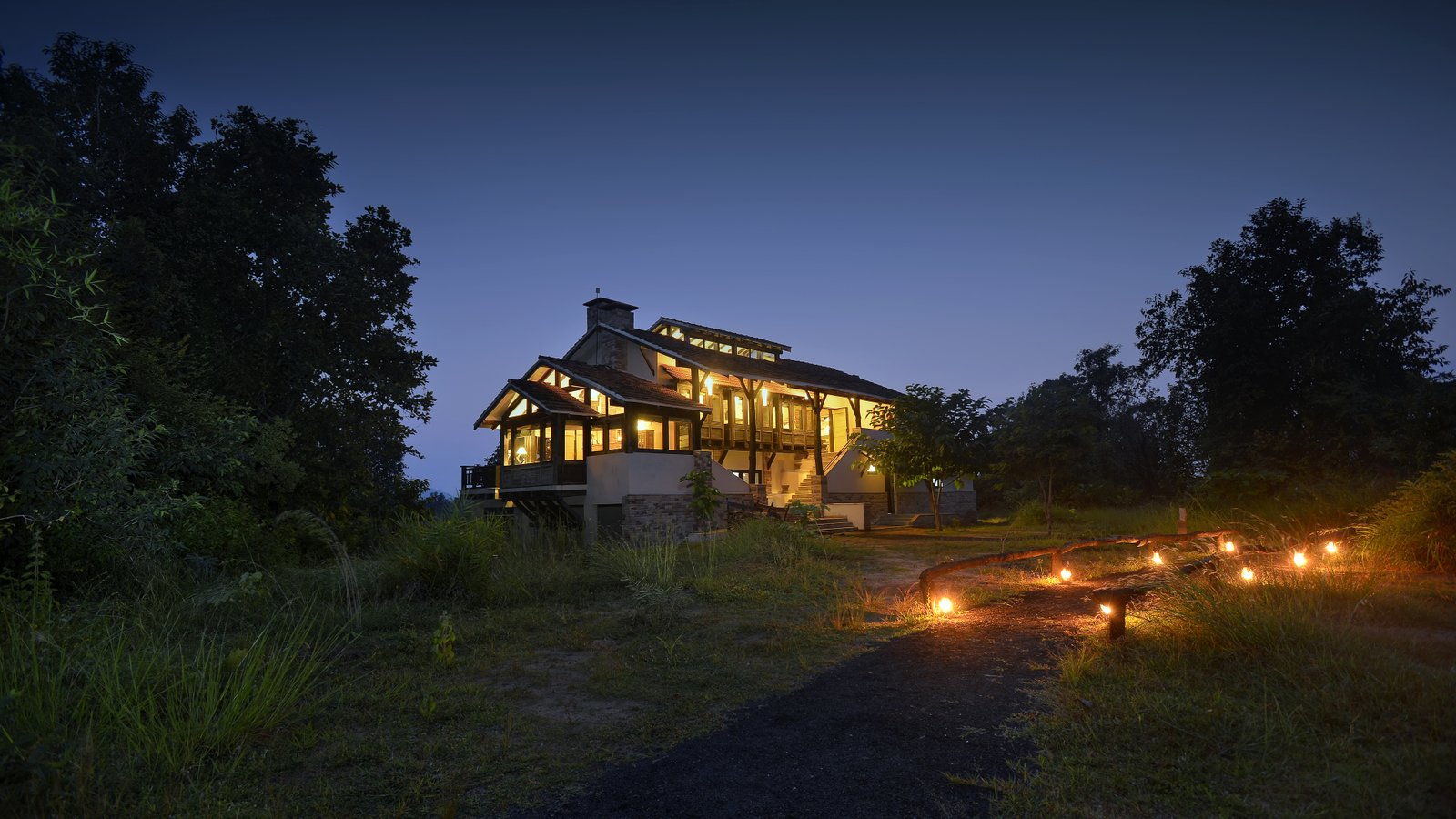
Stay at the Waghoba Eco-Lodge, which has set new standards in eco-friendliness and eco-conscious luxury. Handmade adobe bricks, Guna vault roof tiles, stone and broken ceramics lend it a rustic yet deluxe look. The delicious meals offered are prepared from vegetables grown organically in their own gardens.

Tadoba National Park – In the last decade, Tadoba National Park has come up as amongst the best destinations to see Tigers in the wild and is rated among the top parks for Tiger Safari in India. Tadoba National Park features a dry deciduous forest dominated by teak and bamboo trees, interspersed with grasslands. This vegetation allows for better visibility and excellent wildlife sightings. Despite being a dry forest, Tadoba has several lakes and rivers that provide abundant water sources for the park. 

The mammal highlights at  Tadoba Tiger Reserve, spread across an expansive landscape of 1727 Sq.km, are Tiger, Leopard, Wild Dogs & Indian Gaur, and bird life including Crested Hawk Eagle, Crested Serpent Eagle, Indian Peafowl

Meet Your Photo Coaches

Michelle Valberg

With more than 40 years behind the lens, Michelle Valberg is an internationally acclaimed wildlife photographer, filmmaker, author, and educator whose work has taken her to some of the world’s most extraordinary wild places. Guided by compassion, curiosity, and an unwavering passion for conservation, she is deeply dedicated to documenting the natural world and inspiring others to connect with and protect it through the power of visual storytelling.

A Nikon Ambassador, Canadian Geographic Photographer-in-Residence, Fellow and Governor of the Royal Canadian Geographical Society, International Fellow of The Explorers Club, and Member of the Order of Canada, Michelle has earned global recognition for her evocative imagery. A two-time World Photographic Cup Gold Medalist, her photographs have been celebrated internationally for their artistry, emotional impact, and ability to reveal the beauty, resilience, and fragility of life on our planet.

Beyond creating award-winning photographs and films, Michelle is a sought-after keynote speaker, photography guide, and mentor who leads workshops around the world. She is passionate about helping photographers refine their creative vision, strengthen their technical skills, and tell meaningful stories through their images. Whether working with beginners or seasoned professionals, Michelle believes the most powerful photographs are those that evoke emotion, inspire curiosity, and foster a deeper appreciation for the natural world.

Manpreet Sokhi

Manpreet Sokhi portrait

Manpreet Sokhi is a professional photographer based in British Columbia with more than 35 years of experience behind the camera. While his career has spanned commercial, corporate, event, and dance photography, his greatest passion lies in wildlife, nature, and landscape photography.

Having spent half his life in India and the other half in Canada, Manpreet brings a unique cultural perspective to his work. His deep understanding of India’s landscapes, wildlife, and traditions allows him to create immersive photographic experiences while guiding photographers through some of the country’s most extraordinary destinations.

A member of World Photographic Cup Team Canada, Manpreet has earned international recognition for his award-winning imagery. His photographs celebrate the beauty, diversity, and emotion of the natural world, combining technical excellence with a storyteller’s eye.

Today, Manpreet leads photography tours and workshops, sharing his extensive knowledge, infectious enthusiasm, and commitment to helping others elevate their photography while experiencing remarkable places around the world.
 

April 06 to April 20, 2027

15 Days (14 Nights) 

6 Guests *

3 Wildlife Tiger Reserves

17 Safaris

2 World Class Photography Instructors

$13,950 US

Itinerary

As you walk out of Indira Gandhi International Airport, there will be a car waiting to take you to our stay just 4.5 kms away.  Roseate House New Delhi is a contemporary upscale 5 star hotel in the capital’s only hospitality district, Aerocity. The day is free to relax and meet up with your hosts Michelle & Manpreet who will lead the tour and also be introduced to the other guests.

After an early morning breakfast, you will be driven to the airport for an hour and half flight to Jabalpur and then by road (4 hours drive) to the Kanha Earth Lodge. This lodge is tucked away in a small tribal hamlet bordering Kanha Tiger Reserve. Here a delicious lunch awaits you designed around local ingredients sourced from their own organic garden & regional suppliers. The rest of the day is at leisure to relax and maybe take a dip in the pool

Our day will start rather early and after a quick tea / coffee, we head out to the Tiger Reserve looking for wildlife with our experienced guides. A few hours later we will stop for a packed picnic breakfast. We will head back to the lodge at 11 am where our gourmet lunch will be waiting. After lunch and a bit of time to unwind we head back for our afternoon safari till sunset. Dinner will be back at the lodge

After breakfast at the Kanha Earth Lodge, we will drive to Satpura, carrying lunch hampers along with us.

A very special experience unlike anything you have experienced before awaits you at Pench. We will have reservations at a wildlife resort where you will be staying in luxury treehouses. Only 20 minutes from the Park gates, snuggled in 40 acres of old growth forest, the Pench Tree Lodges keep their carbon footprint to a bare minimum.

In the evening you have the option to sit in the luxury hide and photograph birds at their eye level

After a delicious dinner we will retire for the night after making sure that our cards are formatted, batteries charged and the camera gear is ready for the morning

As we did at Kanha, we will devote the next three days to jeep and boat safaris.

As we did at Kanha, we will devote the next three days to jeep and boat safaris.

As we did at Kanha, we will devote the next three days to jeep and boat safaris.

After breakfast at Satpura, we drive to Tadoba, where we will stay at the Waghoba Eco-Lodge. This lodge has set new standards in eco-friendliness and eco-conscious luxury. Handmade adobe bricks, Guna vault roof tiles, stone and broken ceramics lend it a rustic yet deluxe look. After a delicious lunch prepared from vegetables grown organically in their own gardens, we will have time to unwind as well as review the images we have taken at Kanha and Pench. There is also a hide that would appeal to the birders in us.

We have three days of morning and afternoon safaris where we will be tracking tigers with some of the best guides

We drive to Nagpur to catch our flight to Delhi.

As all good things come to an end, so does this adventure. But you would have had an amazing time, learnt a whole lot and made some new friends. Plus memory cards and hard drives with pictures to remind you of every moment of this trip.

What's Included
What's Not Included
  • We have a very small group with limited spots.
  • A non-refundable deposit of $4,650 USD is required to secure your spot
  • Payment Schedule: A deposit of $4,650 US is due at time of booking.  Second payment of $4,650 US is due September 28, 2025 and final payment of $4,650 US is due January 15, 2026
  • Single supplement is $1,600 US and depends on room availability
  • No cell phones are allowed inside the parks

A Recap of the 2026 Tour

Michelle Valberg and Manpreet co-led an adventure in April of 2026 with great success. Here is a film by Michelle featuring the tour

Why photographers choose us

India is a sensory delight, with incredible sights, sounds, aromas, and flavors. While every moment was memorable, photographing tigers and wildlife in their natural environment was the true highlight.

Each camp offered unique photographic opportunities, and the light, jungles, and wildlife made for an extraordinary experience. Combined with outstanding guides, Manpreet’s local knowledge, and Michelle’s photographic expertise, this was an unforgettable adventure that I highly recommend to any wildlife photographer.

– Wendy

Ah India. 

A place where going with the flow is the only way to go. The colours, the sounds, the smells, the wonderful people. The forests and National Parks, and for we intrepid group of photographers, the wildlife. 

Unique wildlife in magnificent settings. And then there were the tigers. One of nature’s most magnificent and photogenic animals. 

Not just one or two sightings at a distance, but many, close up encounters. I’m still processing this fantastic experience, not to mention more than a few photos and videos. 

Traveling with two such experienced photographers in Michelle and Manpreet made the difference between a great trip and an unforgettable one. They teach, they give you confidence and they make you laugh. Manpreet’s on the ground knowledge made everything go smoothly and being a Valberg groupie tells you everything you need to know about my admiration for Michelle and her photo tours. 

If you want an immersive experience you will treasure, I can thoroughly recommend this one. 

– Bruce

Michelle and Manpreet created an experience that encouraged really seeing through different lenses – our eyes, our cameras, our ears and our tastebuds. This made the trip so rich. They had us thinking about what we were doing and seeing and where we were doing and seeing it all. We also had a ton of fun.

– Rosalyn

Witnessing a Bengal tiger in the wild has been very high on my bucket list for a long time!

Being on a Michelle Valberg workshop (my most favourite famous photographer & person) was a dream come true. To top it off by coupling it with adding another brilliant photographer, Manpreet Sokhi, & the trip becomes ‘INCREDIBLE’!

Manpreet’s organisation of the trip made it seamless – each detail of our travel was communicated well in advance as were requirements & timelines for visas. The accommodation, food & travel between Parks were great. 

Apart from the tigers, we saw many beautiful birds & other animals, but also the rich culture of India. 

I would go back in a heartbeat & advise anyone else to do yourself a favour get yourself on one of these magnificent workshops too.

– Jenny

FAQs

Yes, most travelers need an e-Visa, which can be applied for online here https://indianvisaonline.gov.in/evisa/

Processing takes 3–5 business days, so apply at least a week in advance. A 30 day e-Tourist Visa application can be made 30 days in advance from the proposed date of travel. A 1 year / 5 year e-Tourist Visa can be made 120 days in advance from the proposed date of travel.

For latest Canadian recommendation please check  https://travel.gc.ca/travelling/health-safety/vaccines

  And for the USA recommendations https://wwwnc.cdc.gov/travel/destinations/traveler/none/india

Absolutely. They will love the safaris, although during our instruction sessions at the lodge, they may wish to explore other activities such as going for a swim, sit in the library, visit the restaurant, or explore the organic farm.

No. Always drink bottled, boiled, or filtered water to avoid stomach issues. The lodges we stay at, avoid single use plastics and provide safe filtered drinking water in flasks in the rooms and during meal services. Bottled water is easily available at additional cost although discouraged to reduce the environmental impact of plastics.

The currency is Indian Rupees (INR) Major currencies such as US dollars, British pounds and Euros are easy to exchange throughout India. Most international airports throughout the country will have money exchange counters and also all cities have money exchange agents. ATMs are also readily available throughout the country, but near the parks they may run out of cash frequently.

Yes, in hotels, malls, and large restaurants. But cash is needed for street markets, taxis, and smaller shops. The most commonly used cards are Visa and Mastercard, but neither American Express nor Diner’s Club are widely accepted in India.

The electricity supply is 230 – 240 volt, with type C or D plugs. Most North American visitors will require an adaptor. Many of the lodges have international sockets in the rooms, and  there are ample sockets available for charging cameras etc.

The hotel in New Delhi will have wi-fi and easy access to internet, however all the lodges are located in remote areas and have basic internet connection that may not be reliable at all times.

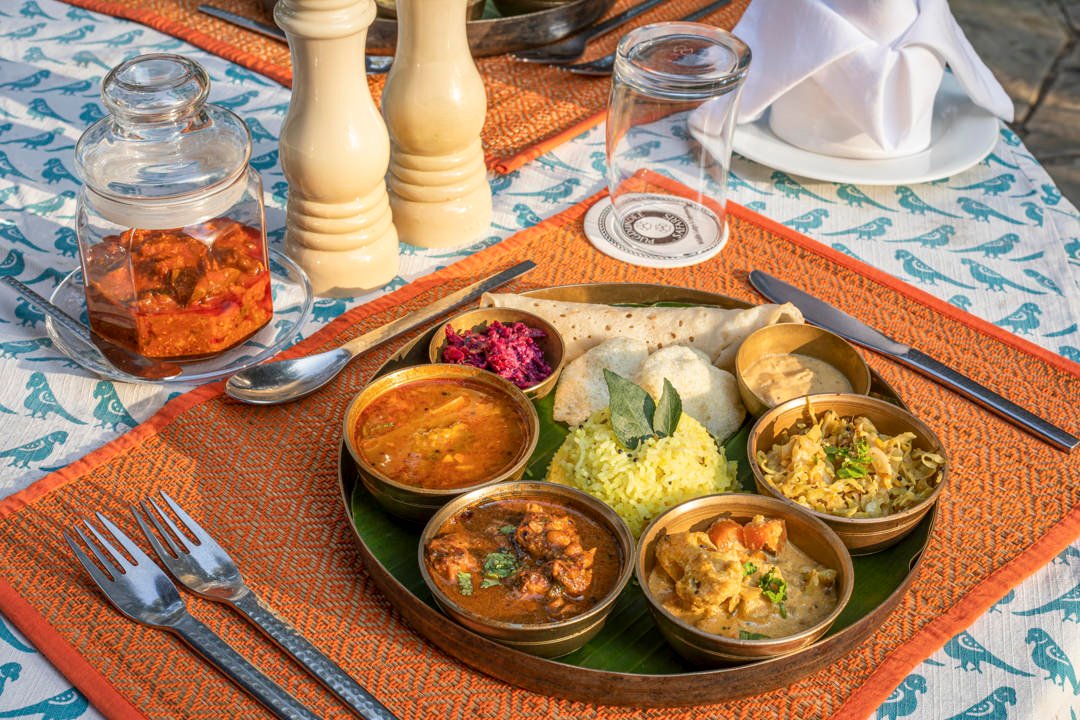
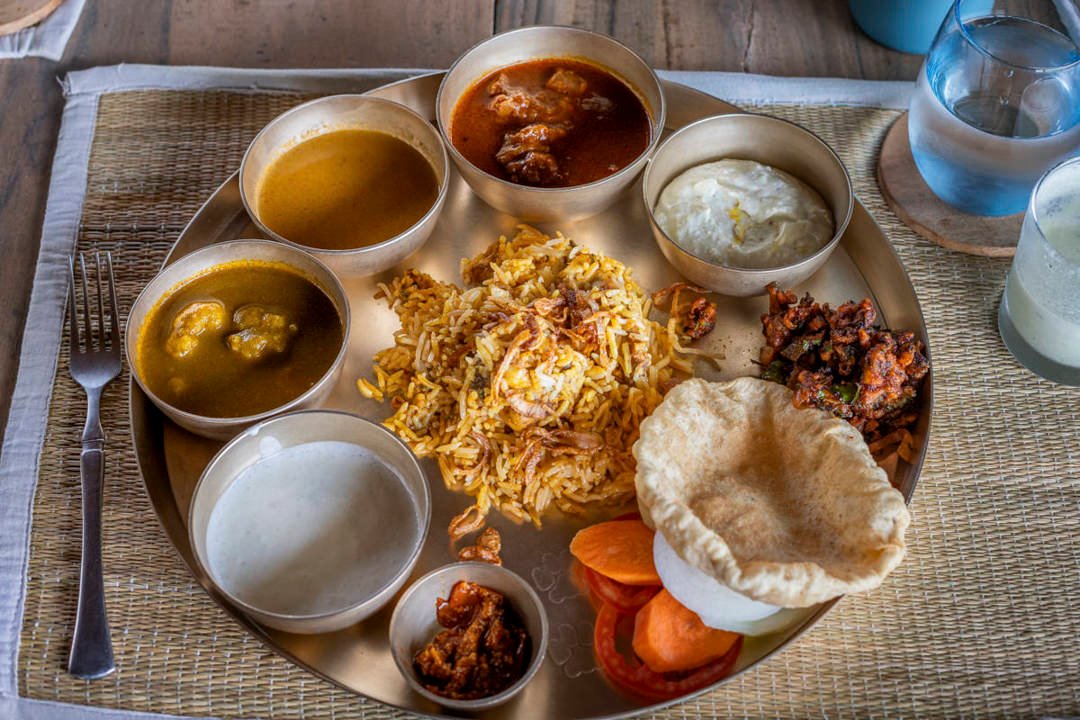
The lodges offer a delectable spread of both local & global cuisines. Breakfast is usually served on safari while lunch has a fixed menu which consists mostly of local foods with authentic flavours. Dinner is a choice between Indian & Continental cuisine. Pure vegetarian, vegan & other food-related requests are taken into consideration if the lodge is informed well in advance. The produce is either home grown in the lodges’ own organic farms or is sourced from the local suppliers to boost the economy of the neighbouring area.

Central India is generally very safe for travelers and we will be there to take care of you at every step. Certain basic precautions apply. It is a good idea to lock away your spare currency, travelers’ cheques, passports and jewellery. Try not to walk around or travel on roads alone late at night, particularly in deserted areas, avoid travelling on the roads after dark. As anywhere else, never leave your luggage unattended at an airport or train station. Always book transfer vehicles in advance from a reputed tour operator or the lodge.

April is the start of the Indian summers season. Light cotton tops, shorts and trousers, hats, sun glasses etc. are good to have and don’t forget the sunscreen. That being said, we drive into the parks very early in the morning in open vehicles and a warm jacket may be needed specially if it has rained the previous night. So be prepared for chilly mornings and hot days.

Practical colors to wear to the park are khaki, beige and white in all seasons. Please avoid bright and flashy clothing to the parks.

Parks are open from Oct 1 to June 30. Although the winters are more pleasant, it is during the hotter months of summer the tigers can be easily found near water holes. March – April the weather warms up enough for the tigers to come to the water holes but is not as hot as May – June when the weather is extremely hot and uncomfortable. This is why March – April is considered high season for viewing tigers.

Just as no one can guarantee the weather, no one can guarantee wildlife sightings. We increase our chances by visiting at the best times of the year and are guided by some of the best naturists and guides.

Within the parks you are not allowed to get out of the vehicle except in designated areas (where we also have our packed breakfast). As long as you do not have challenges getting in and out of the vehicles, you will be comfortable.

No. However there are facilities near the entrance. It is advisable to use the restroom before heading out for a safari.

Public toilets may or may not have any toilet paper. So it is always advisable to carry some or have some wet wipes handy. It would also be handy to carry sanitizer with you as there restrooms may not have constant supply of water and/or soap.

The domestic flights allow a cabin baggage of 7 kgs (15 lbs) plus a personal item of 3 kgs (6.5 lbs) and a checked bag of 15 kgs (33 lbs). There may be extra charges for excess weight.